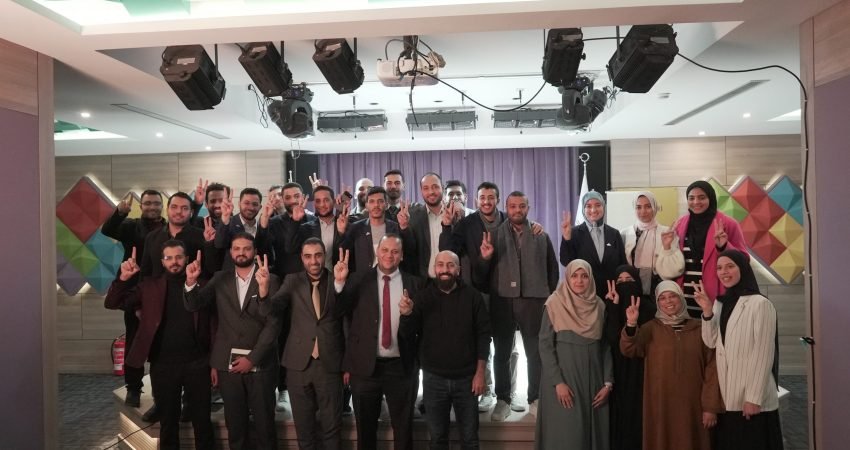
Istanbul – 15–17 December 2025
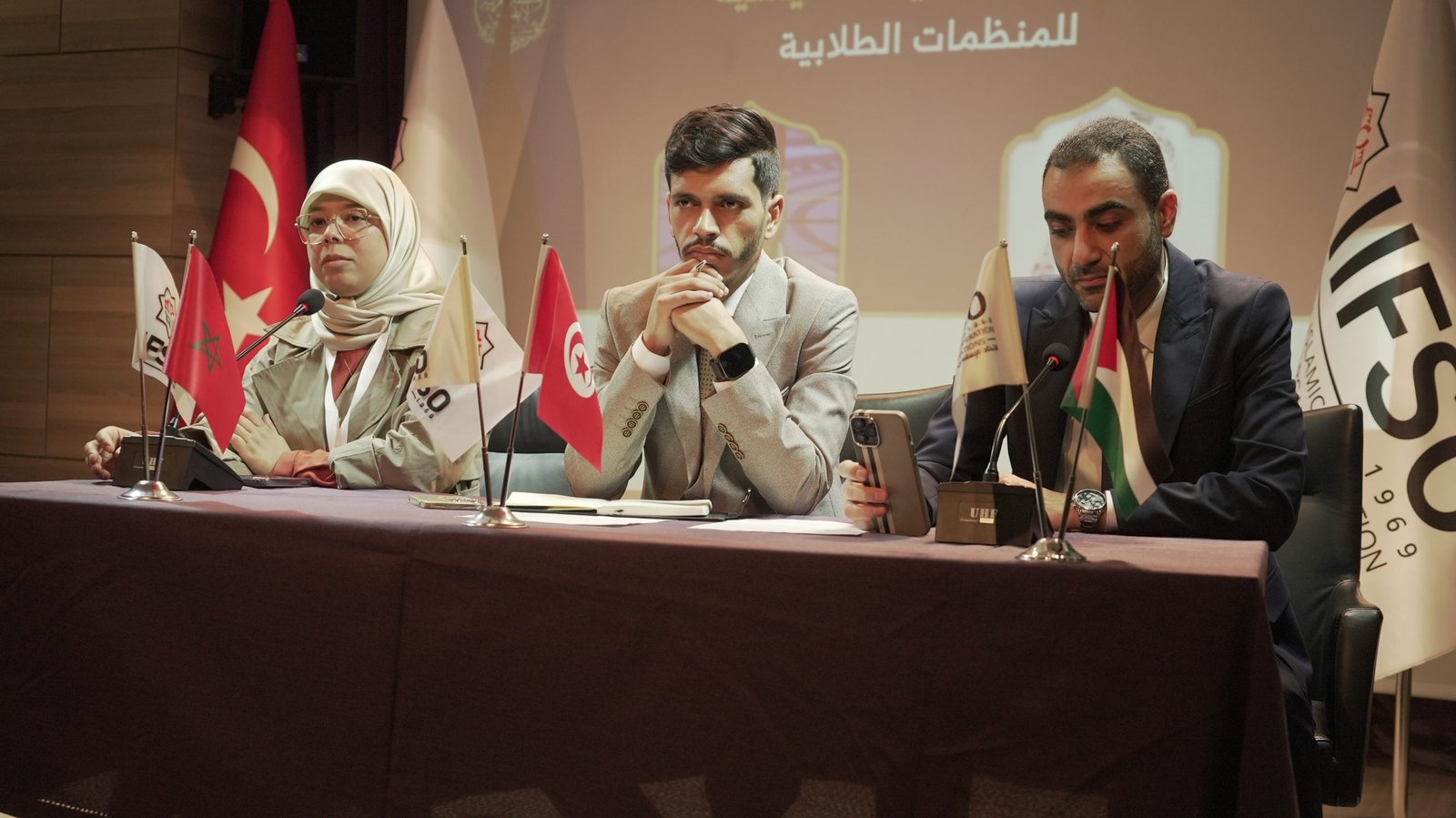
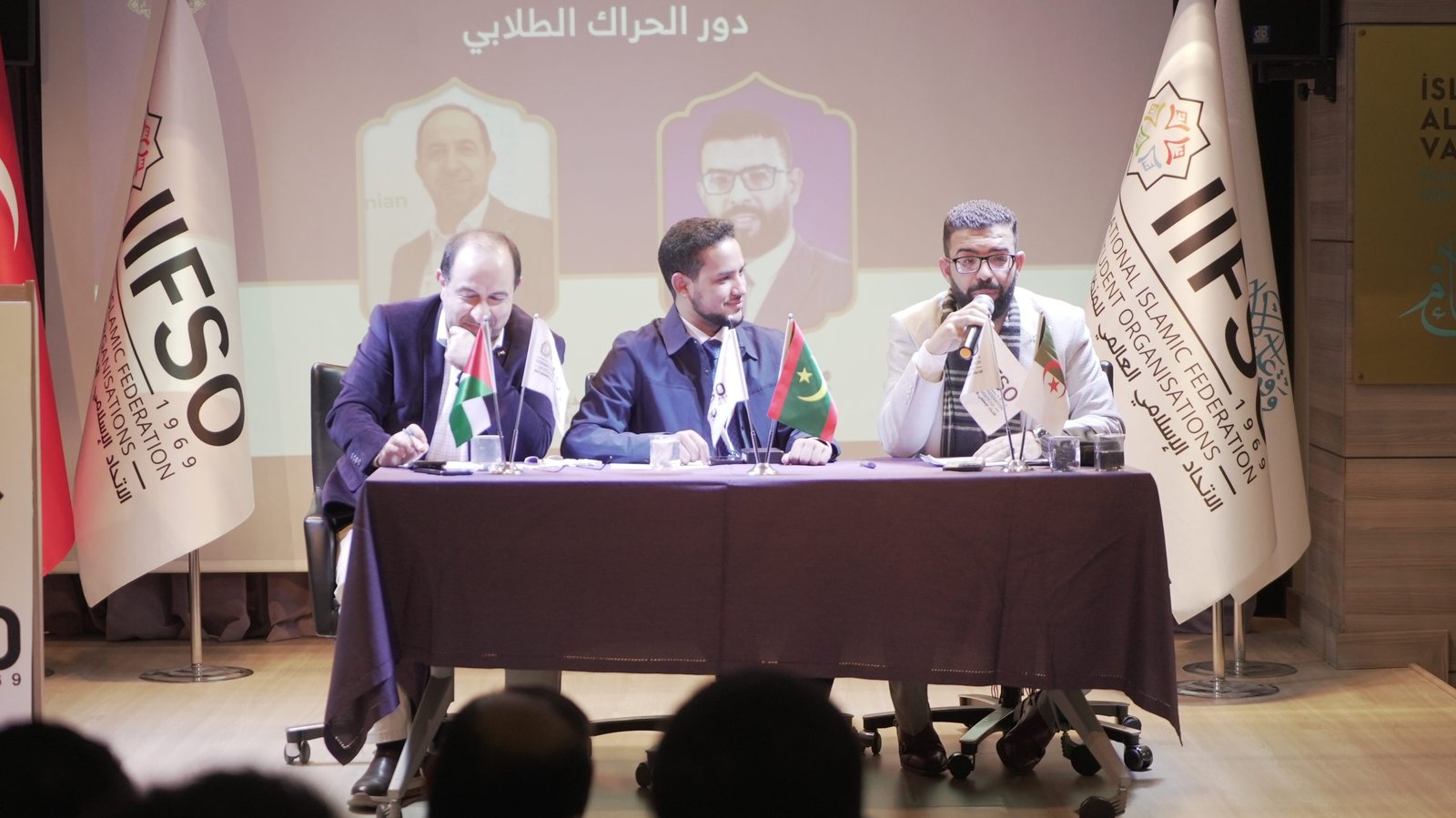
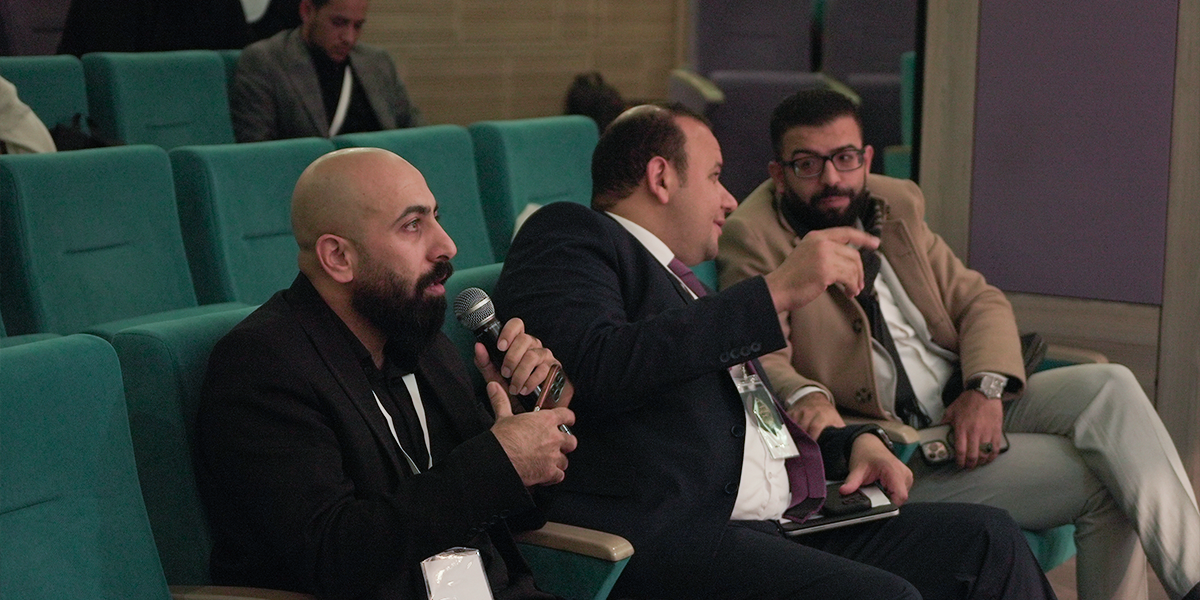
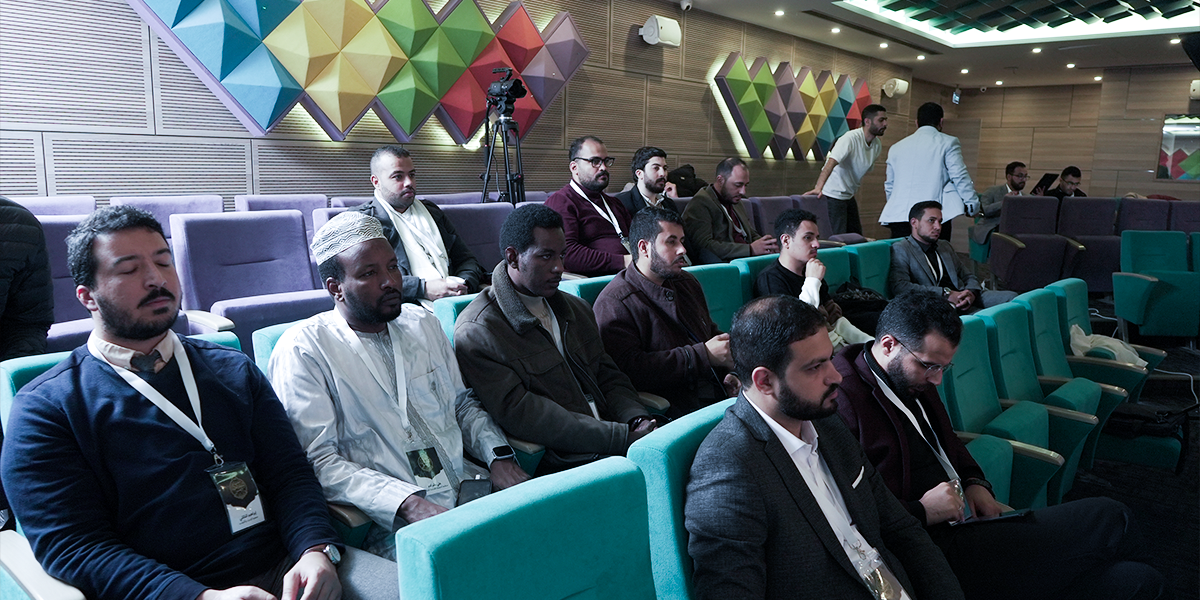
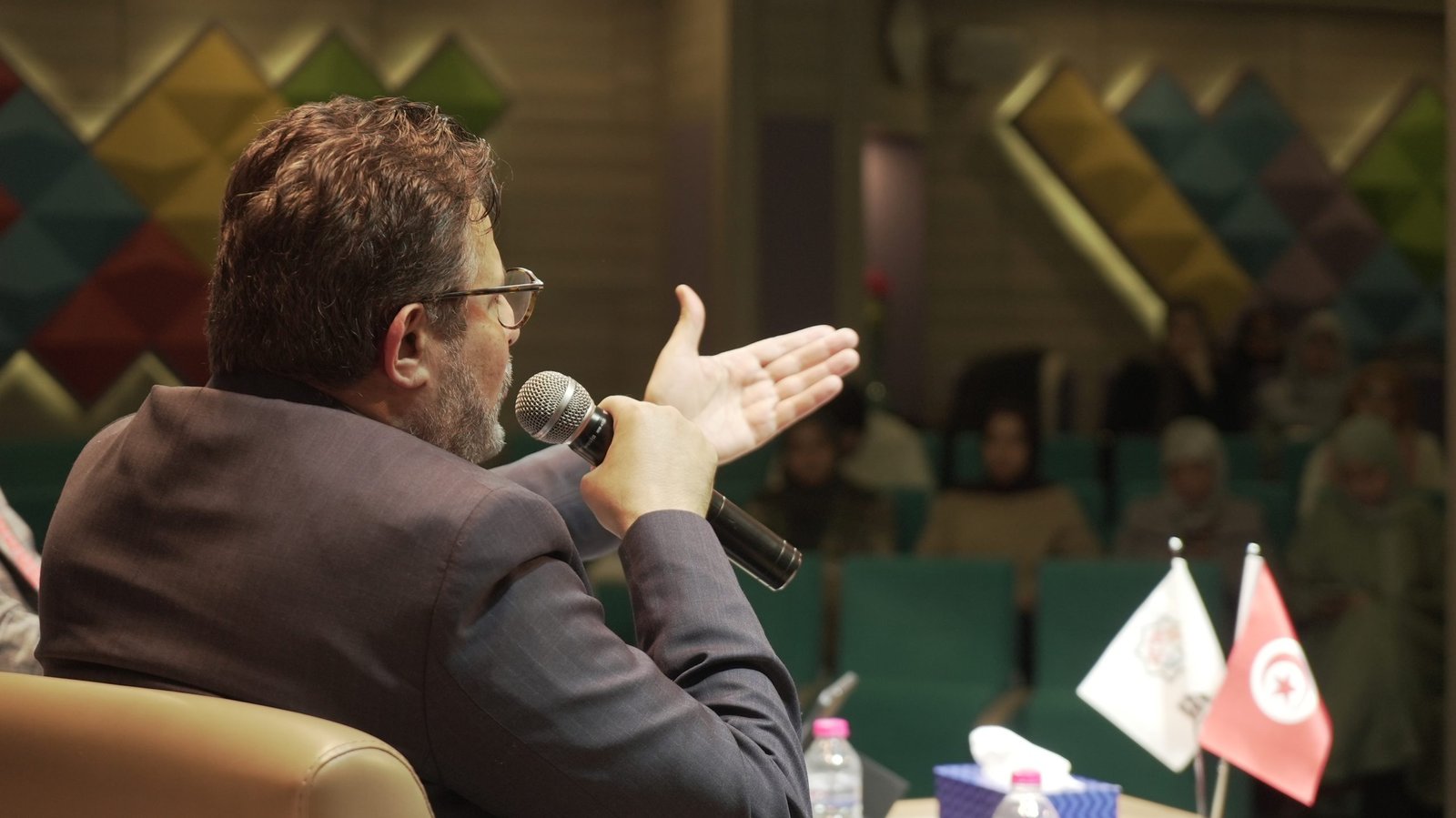
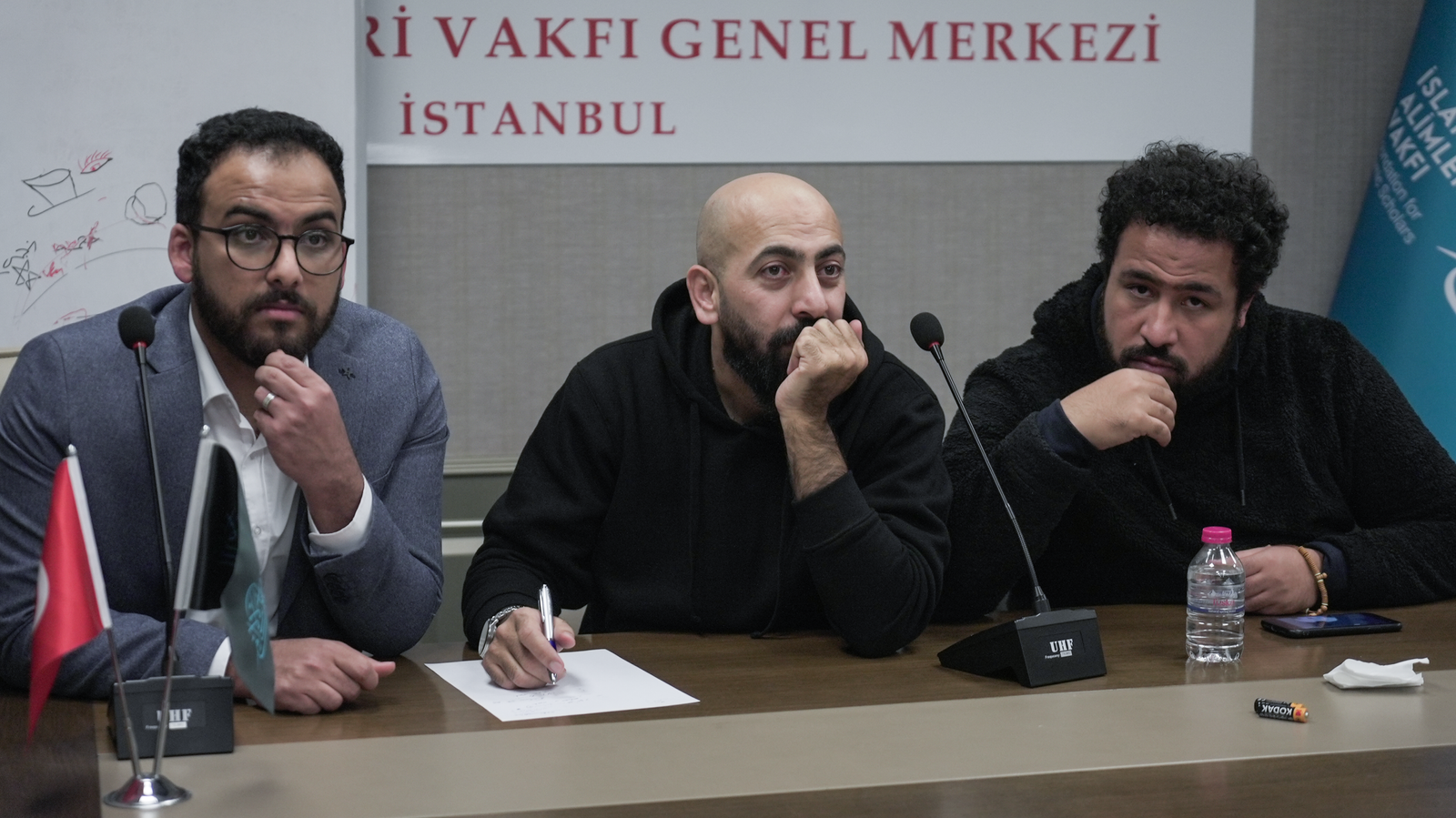
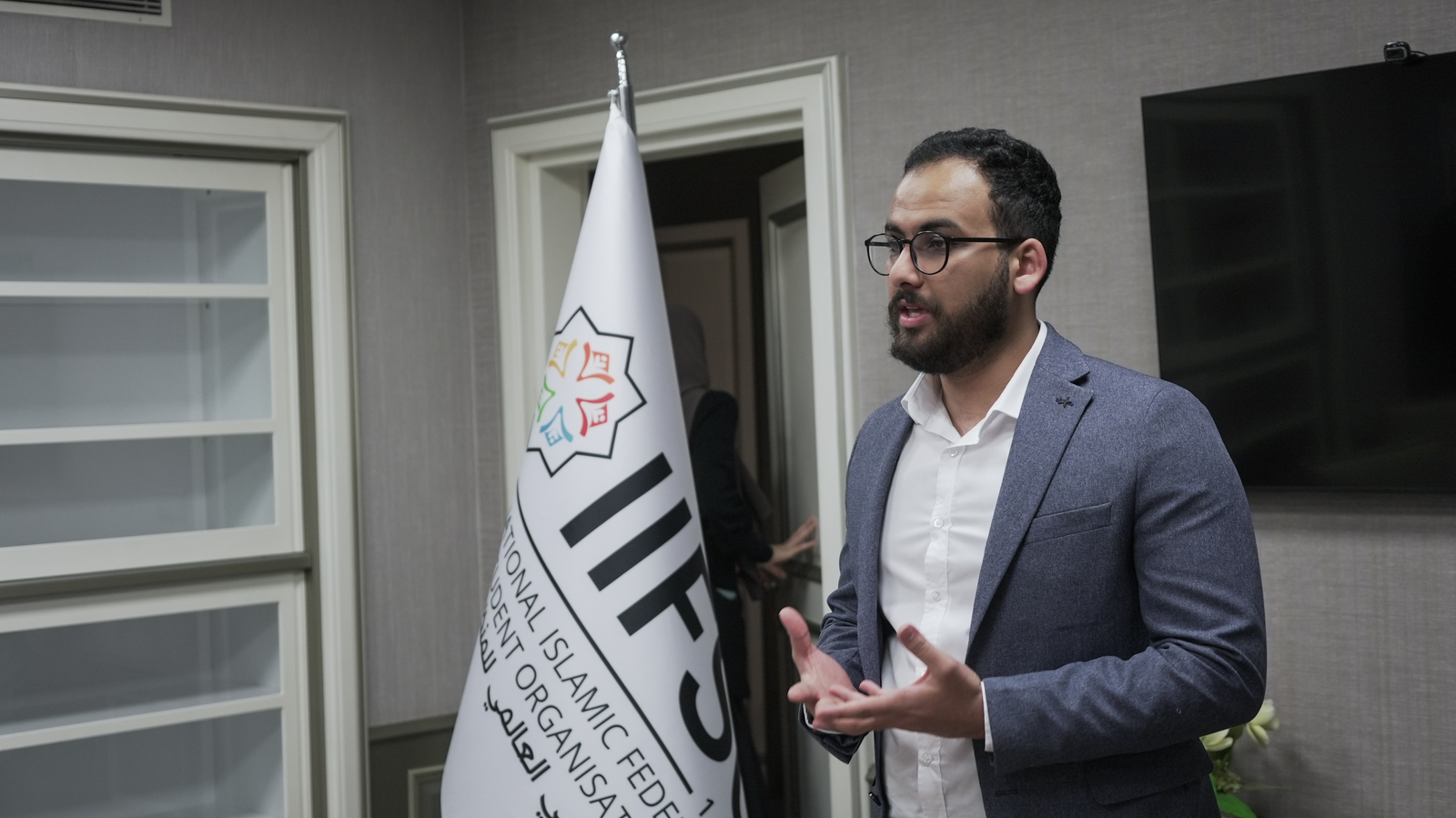
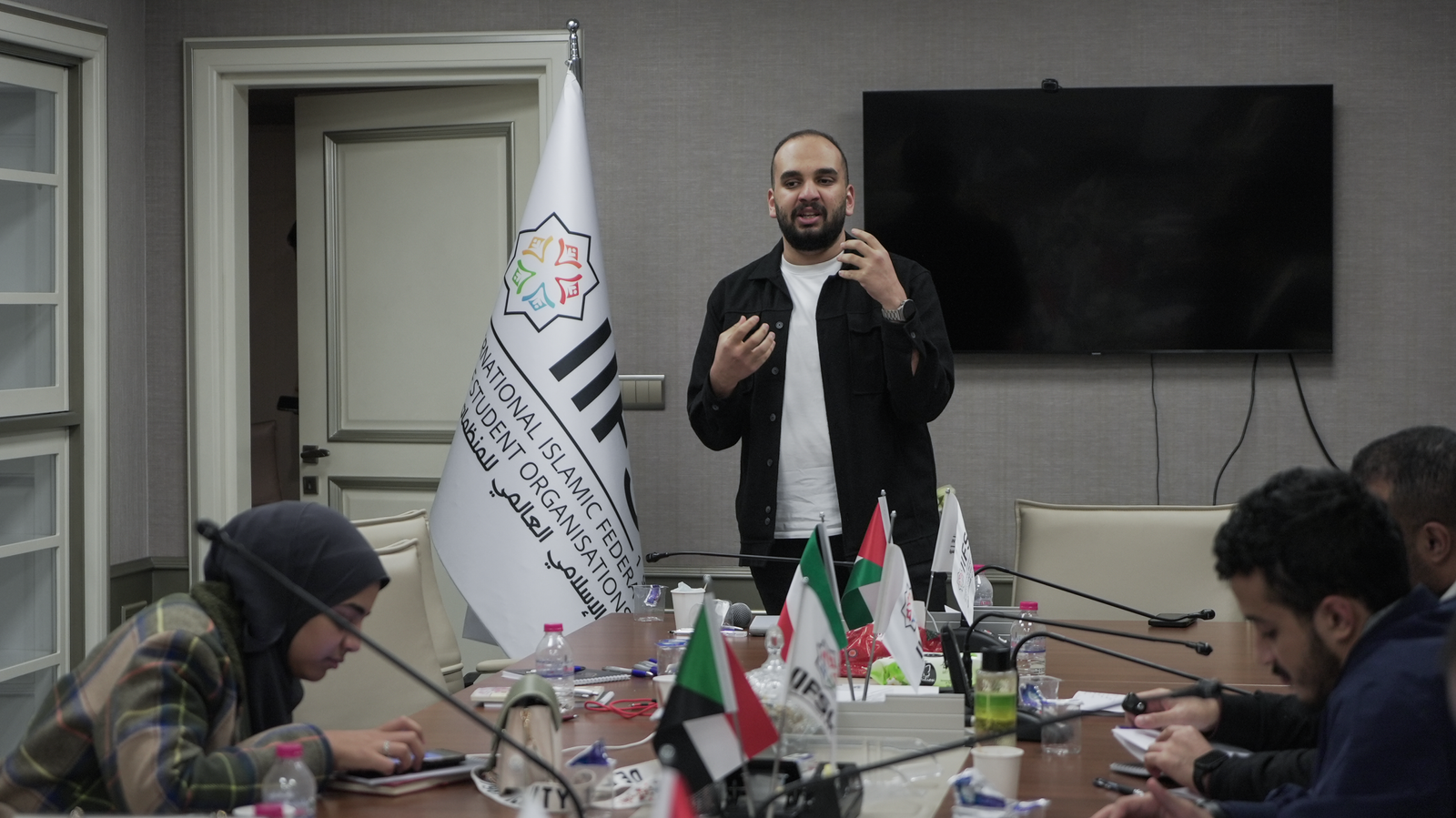
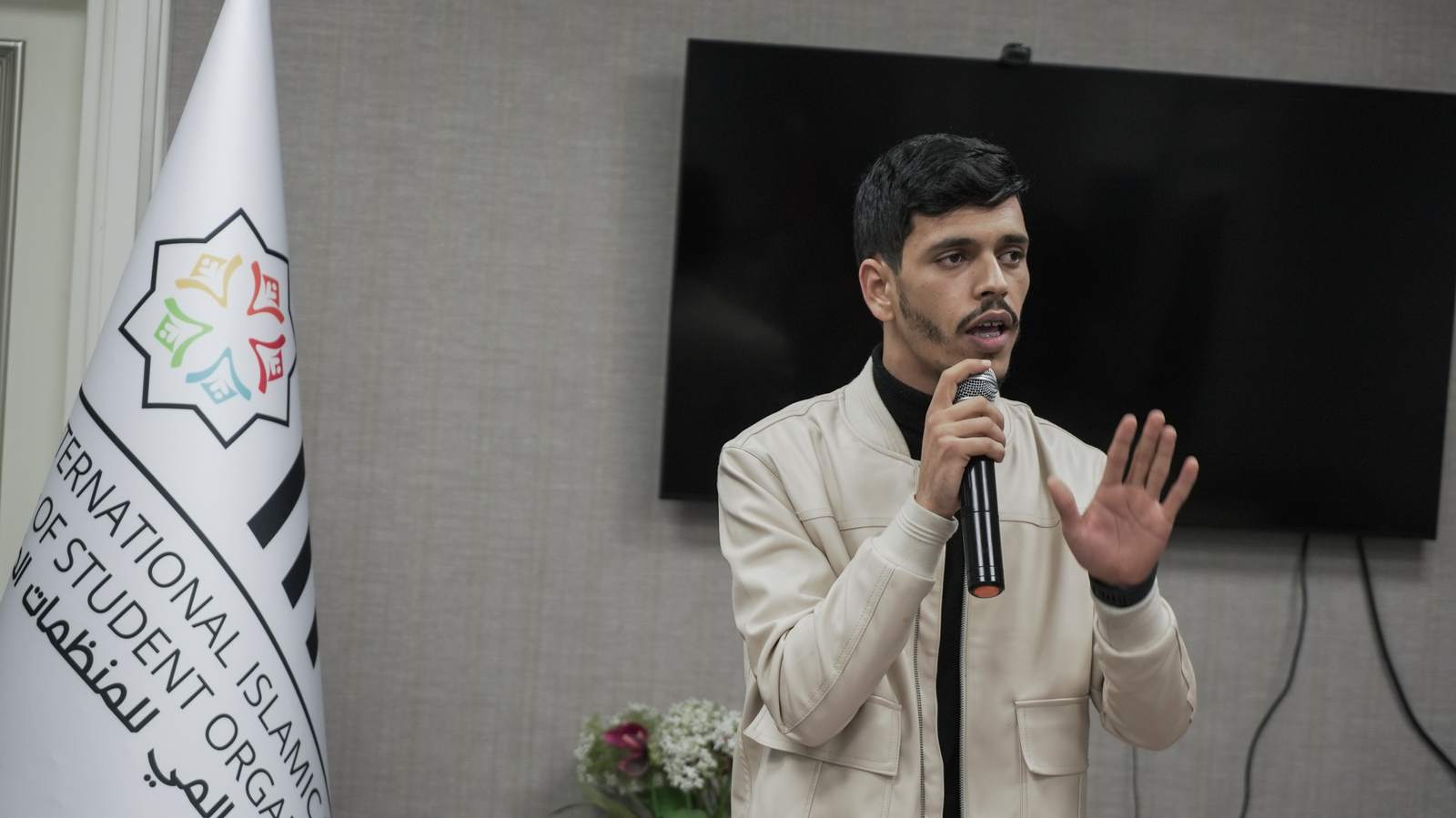
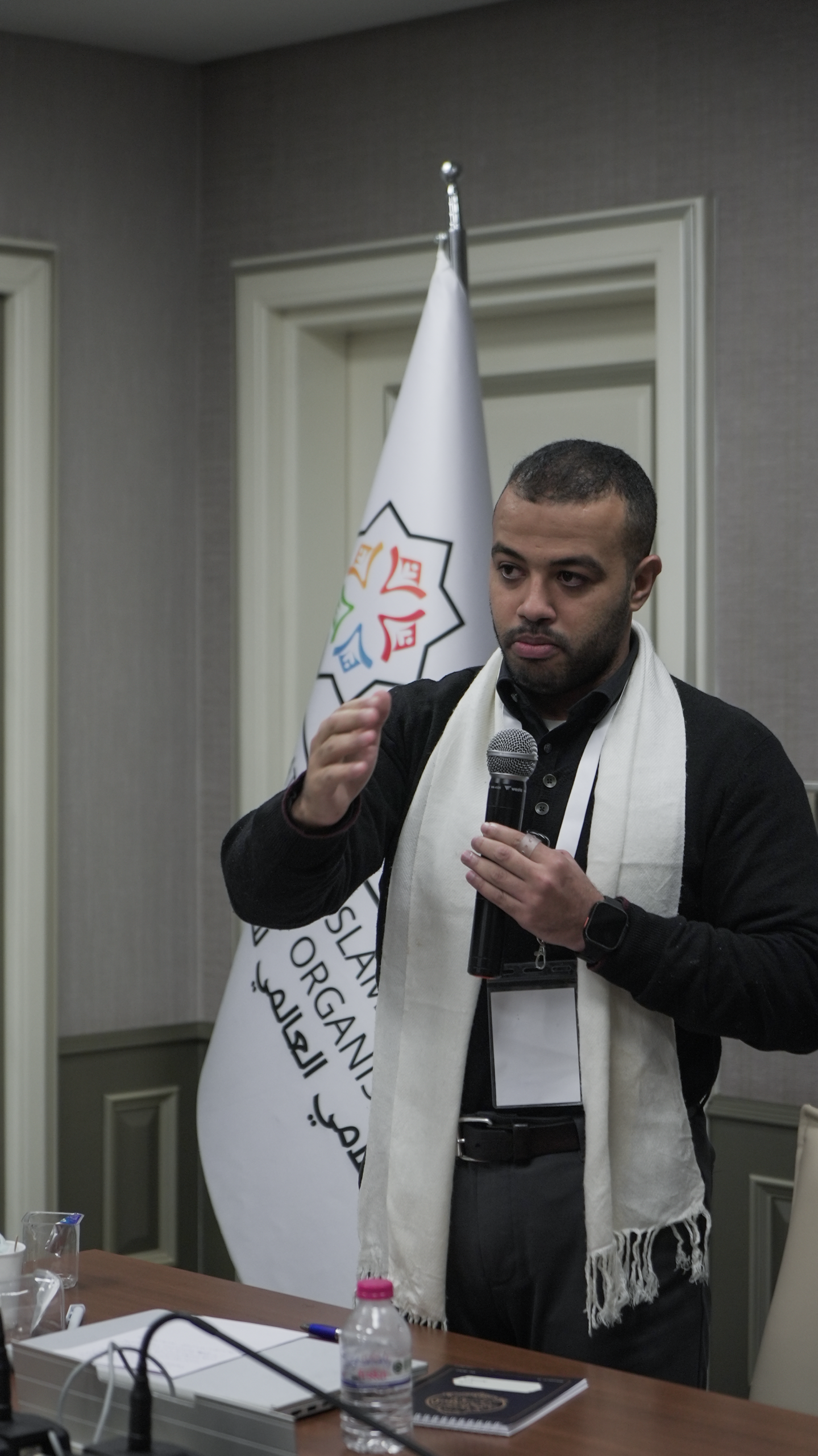
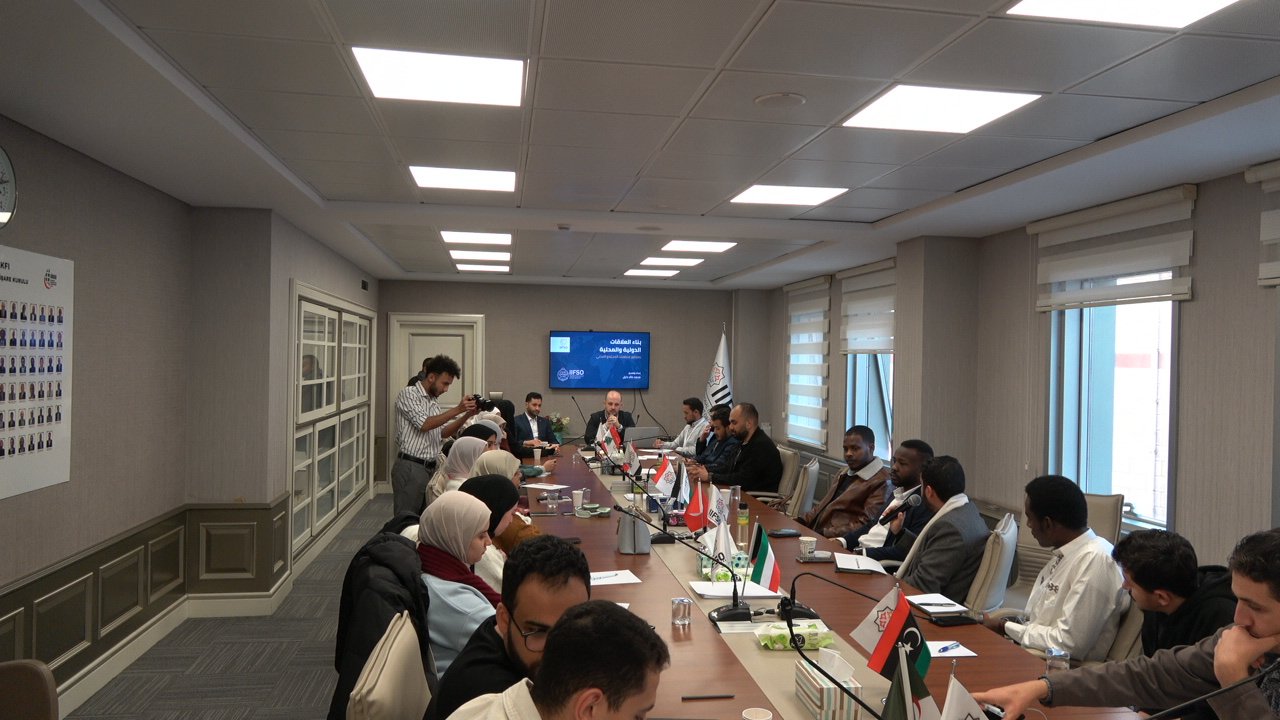
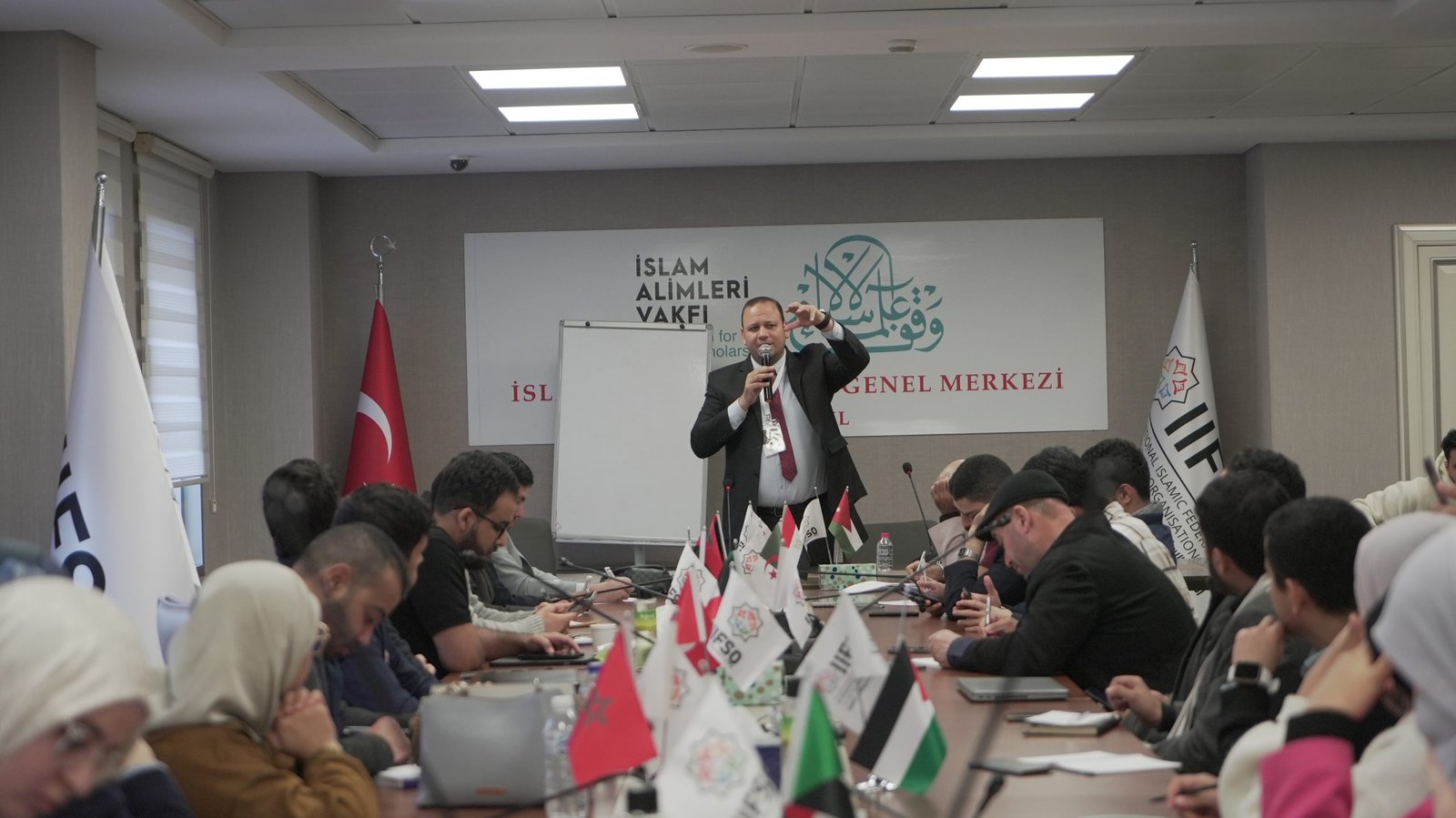
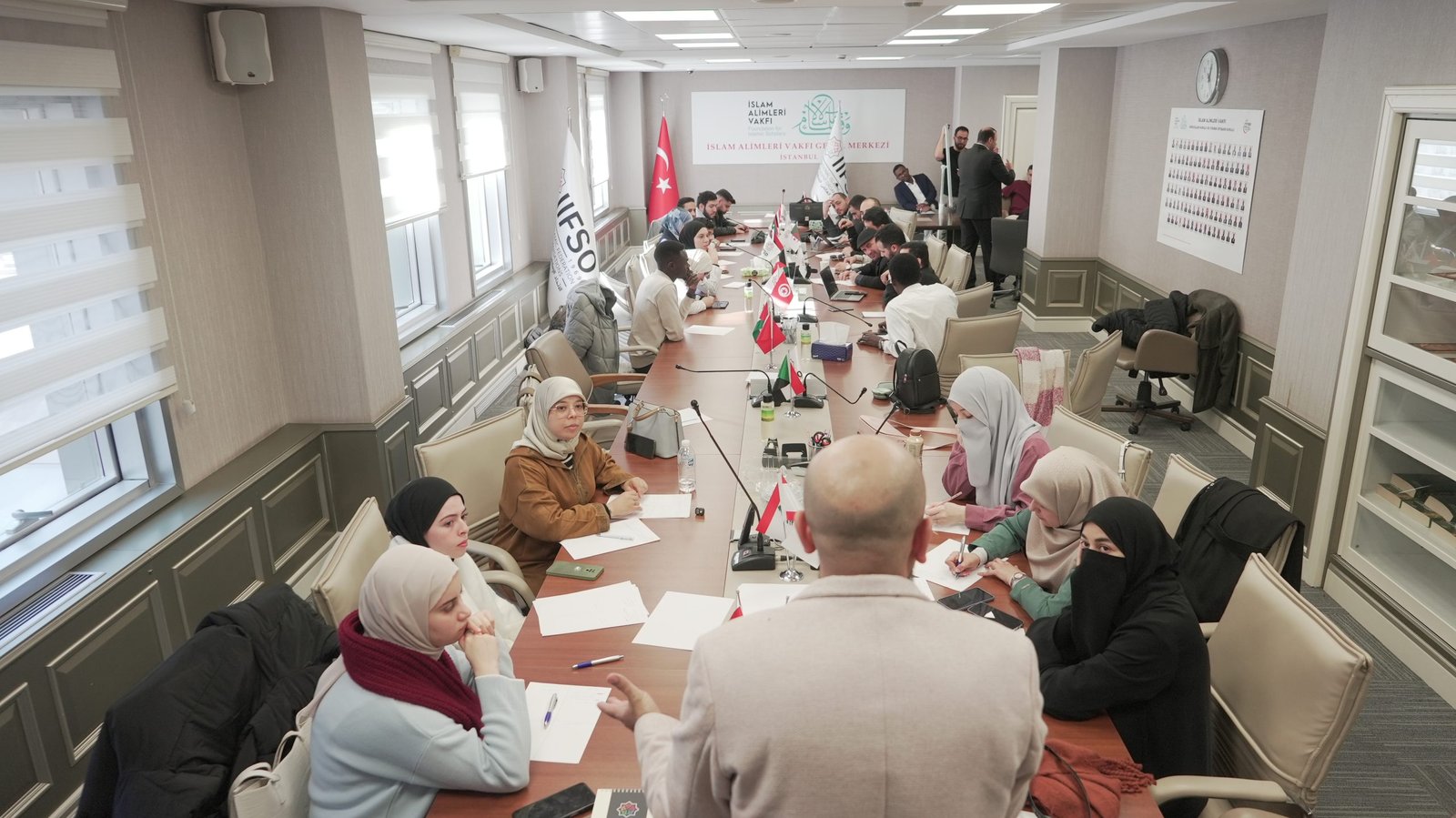
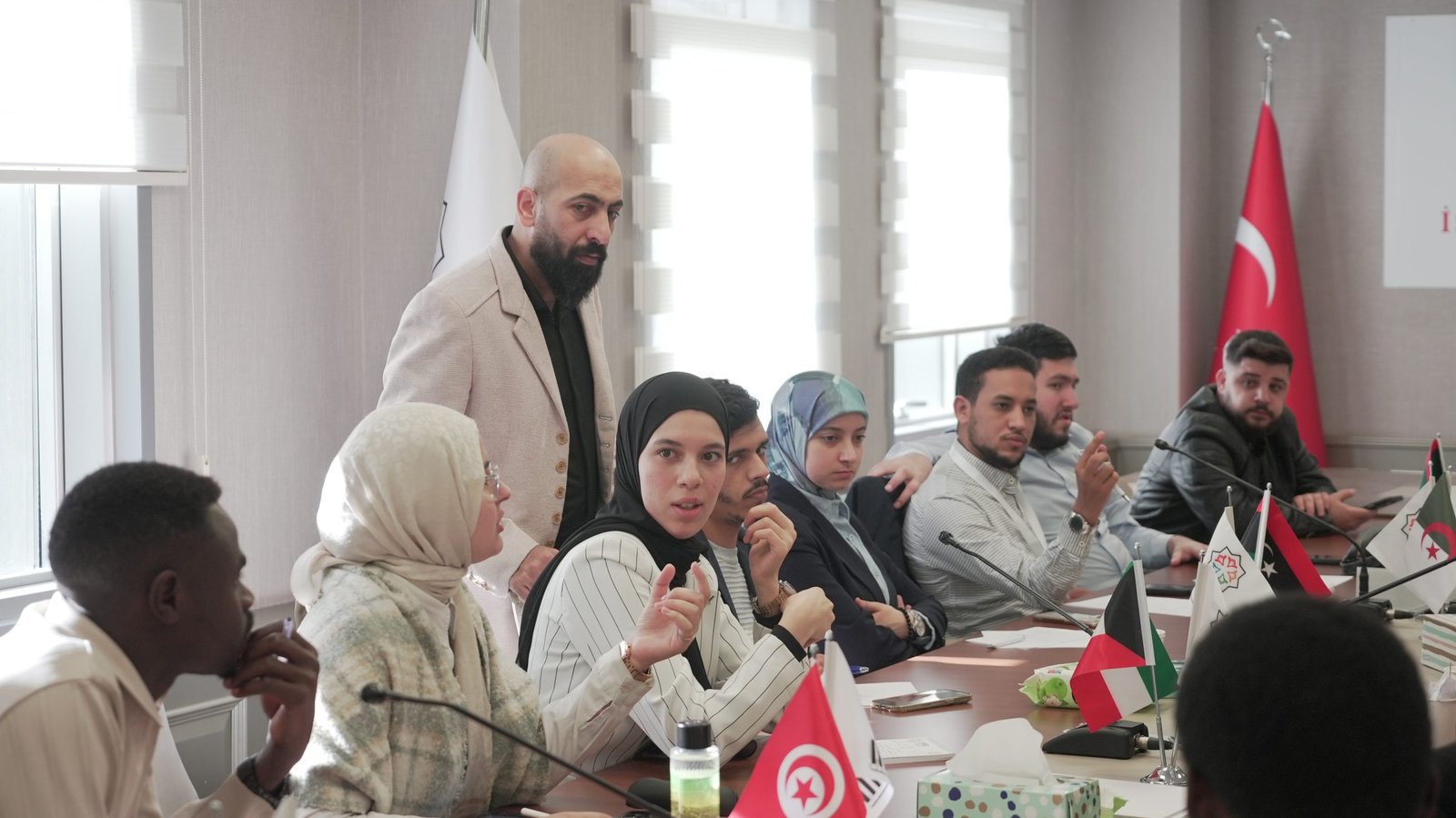
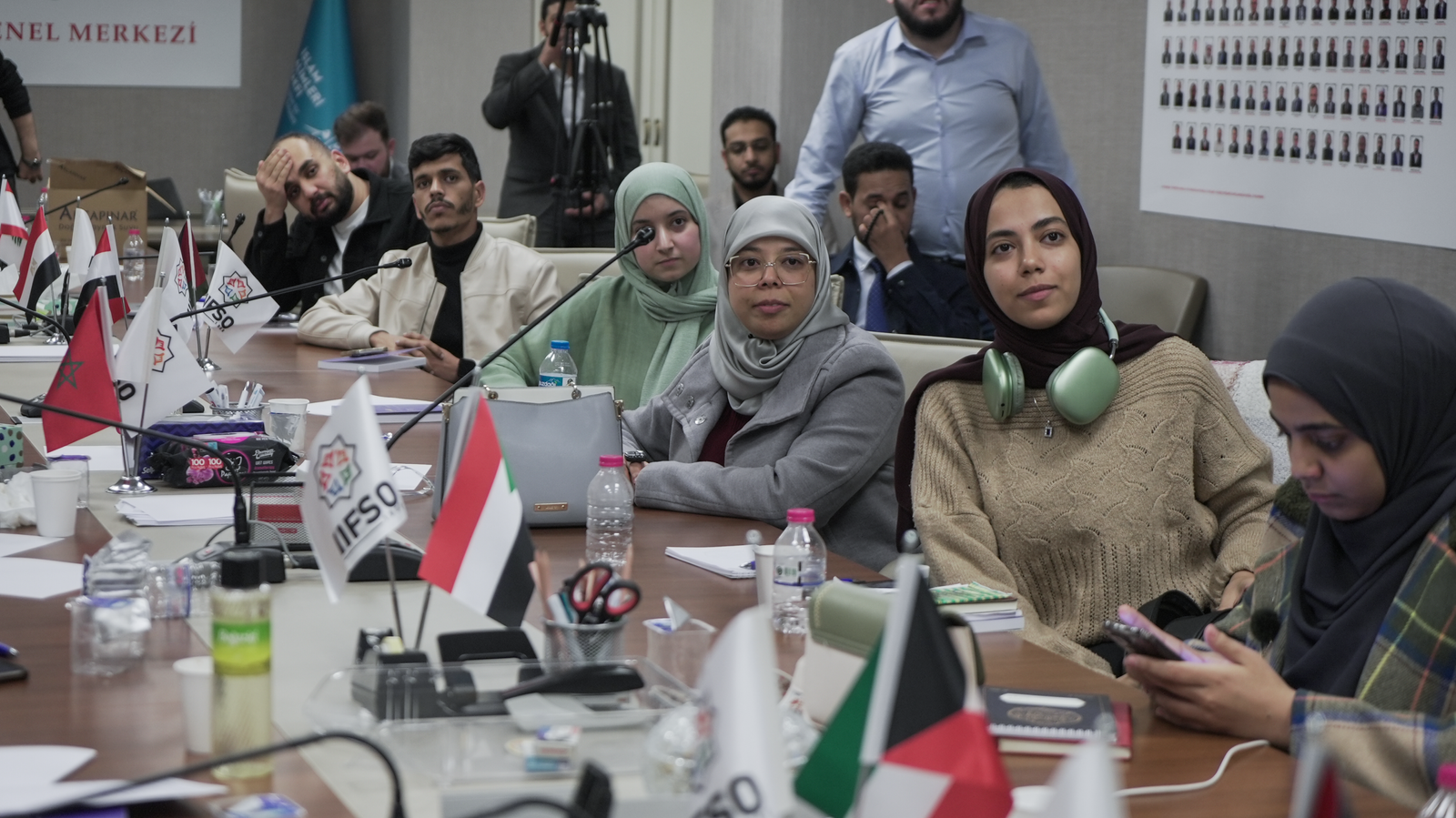
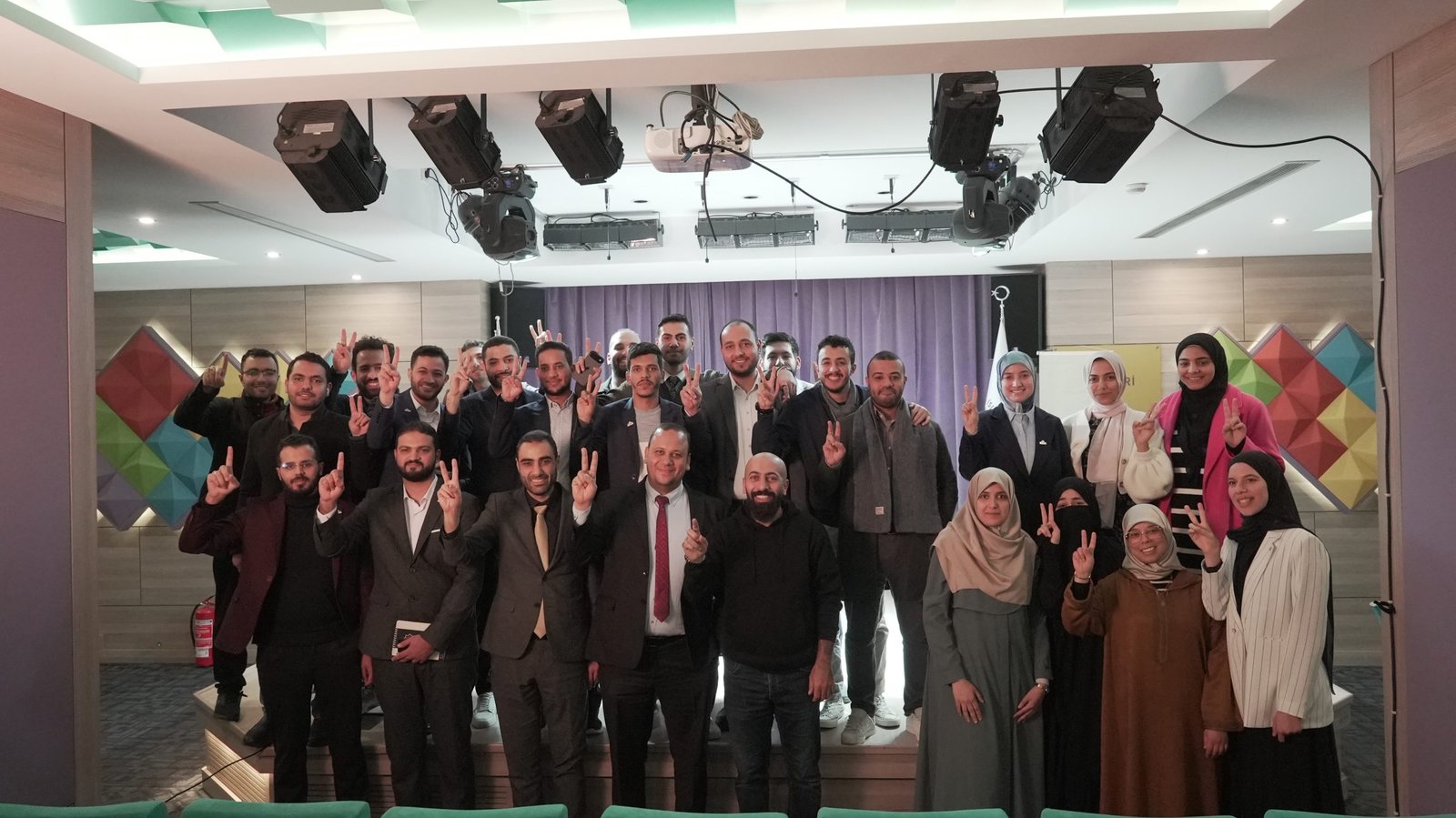
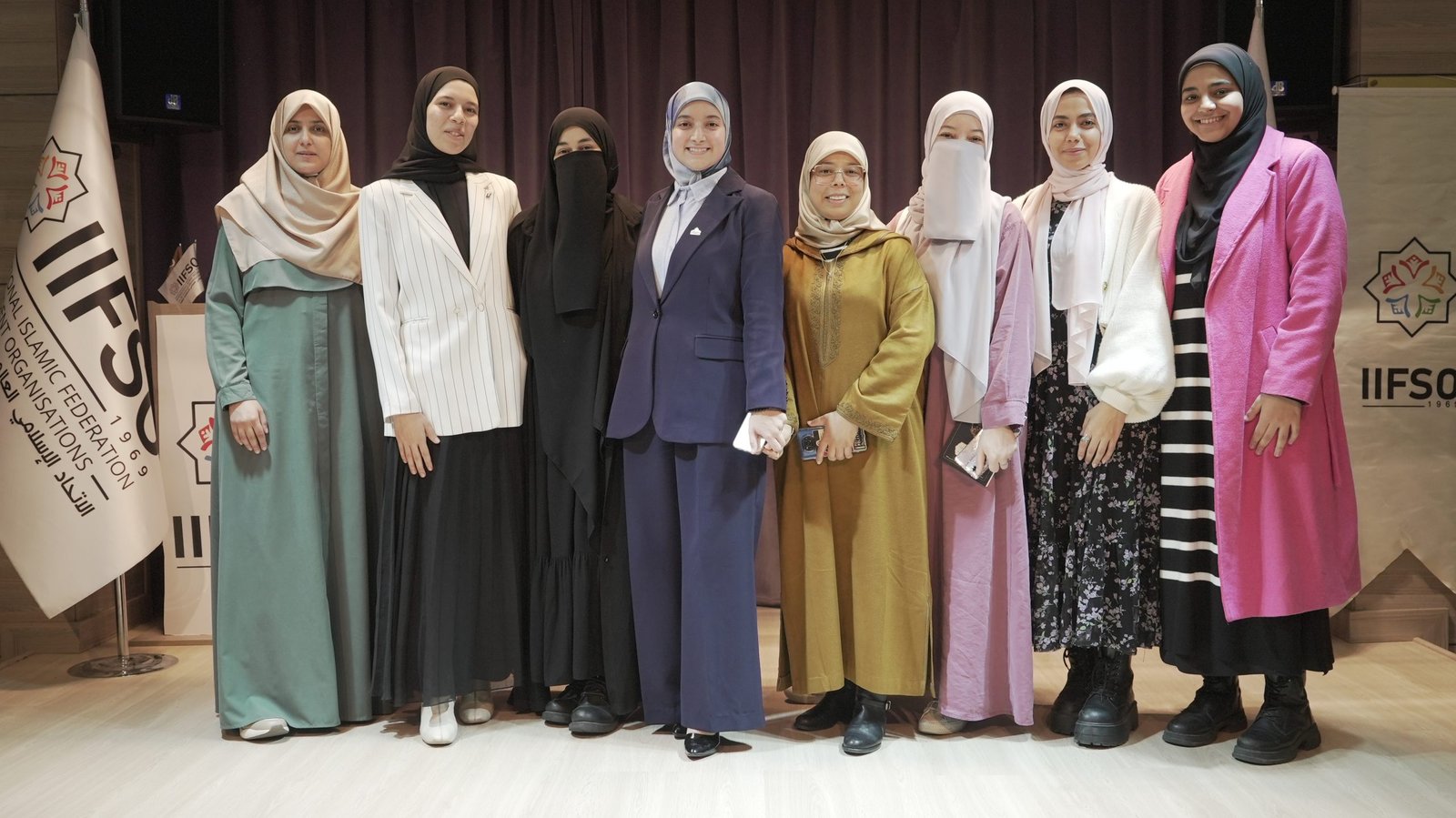
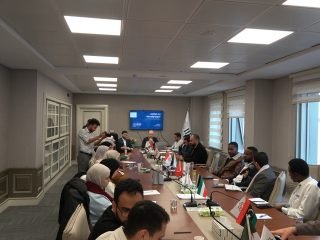
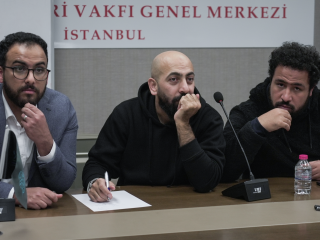
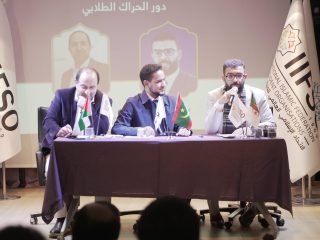
The IIFSO Arab Region Meeting concluded in Istanbul after three days of intensive dialogue and engagement, held from 15 to 17 December 2025. The meeting brought together student leaders and activists from across the Arab region, alongside prominent intellectual, political, and academic figures.
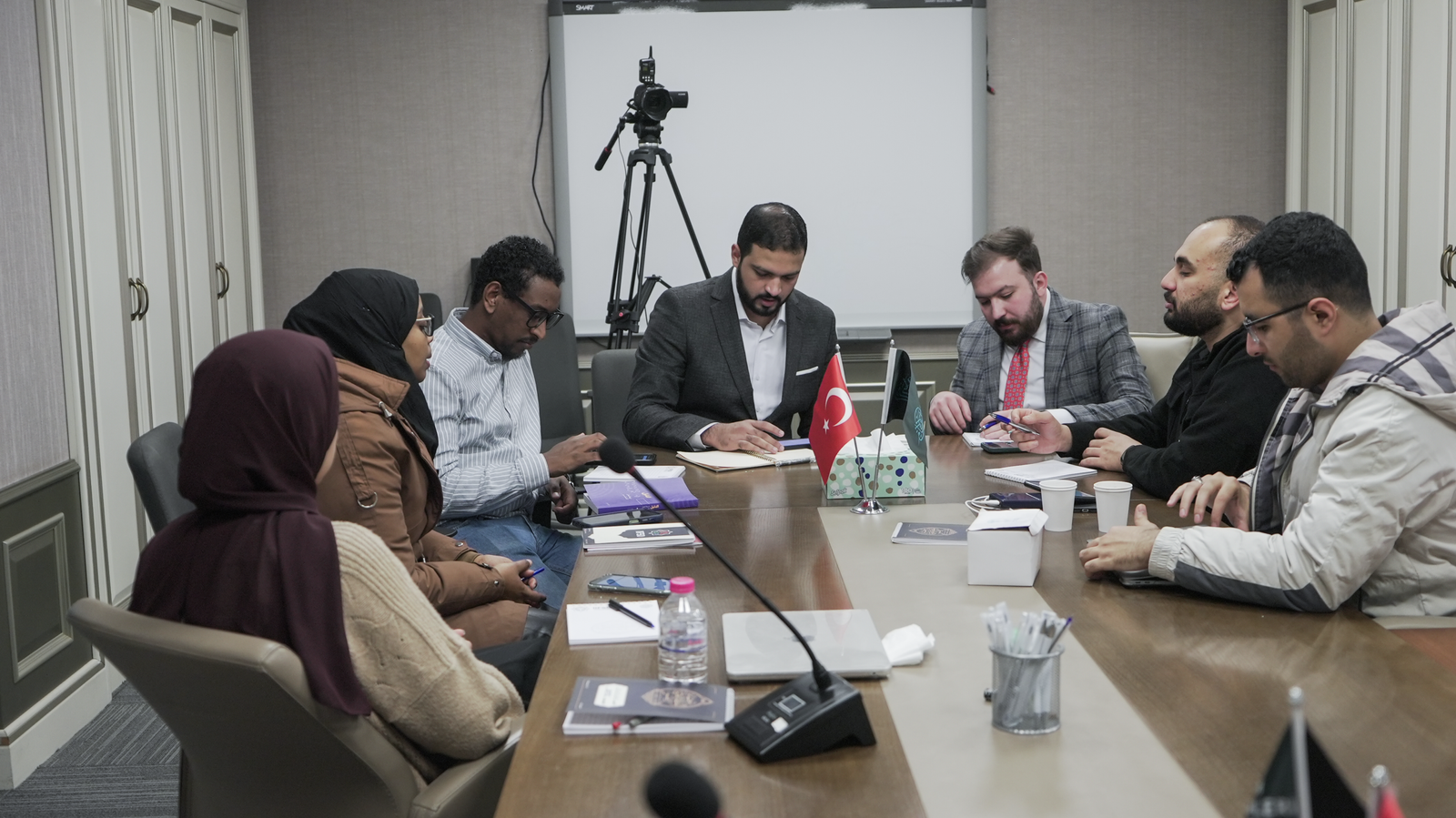
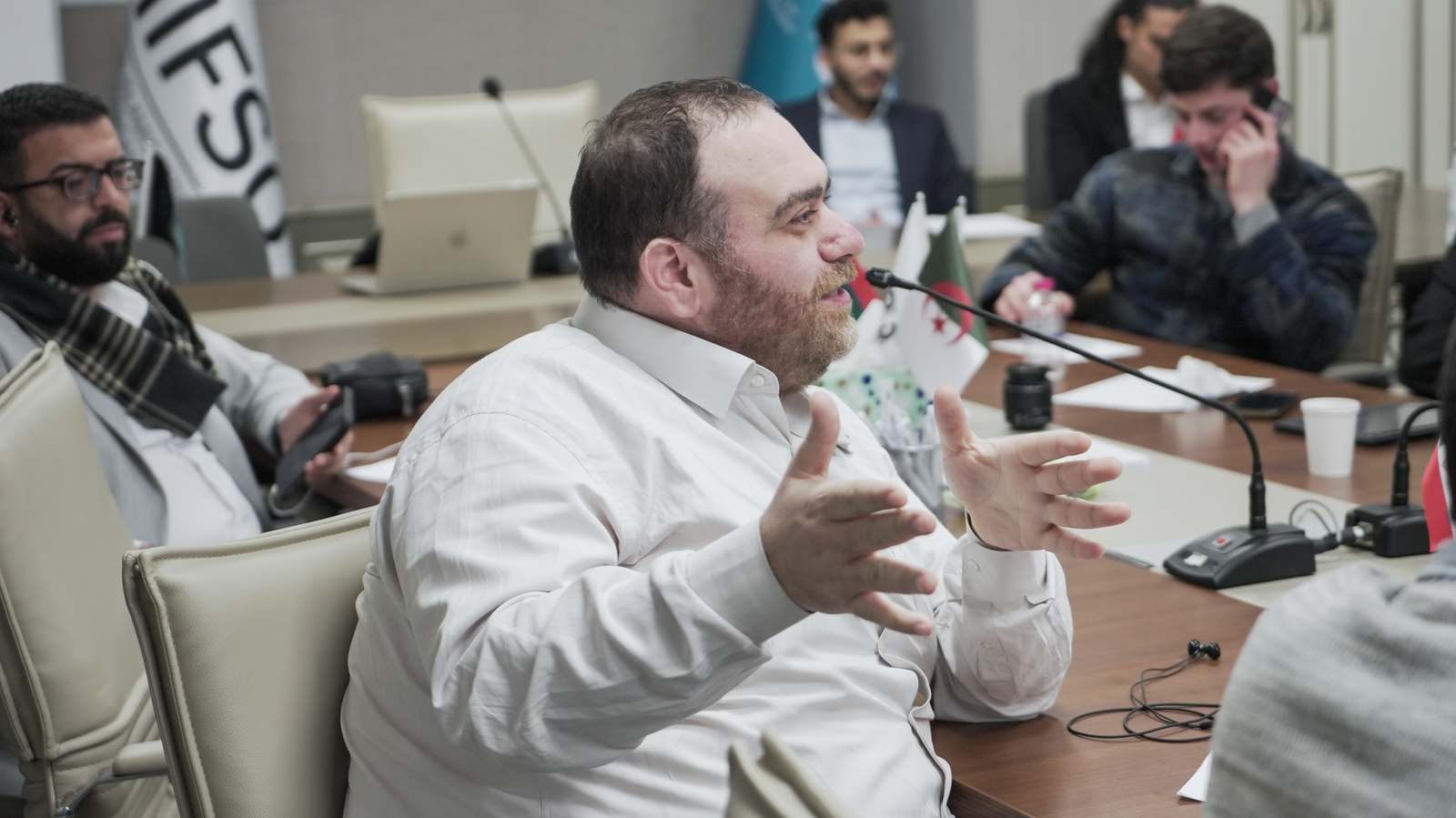
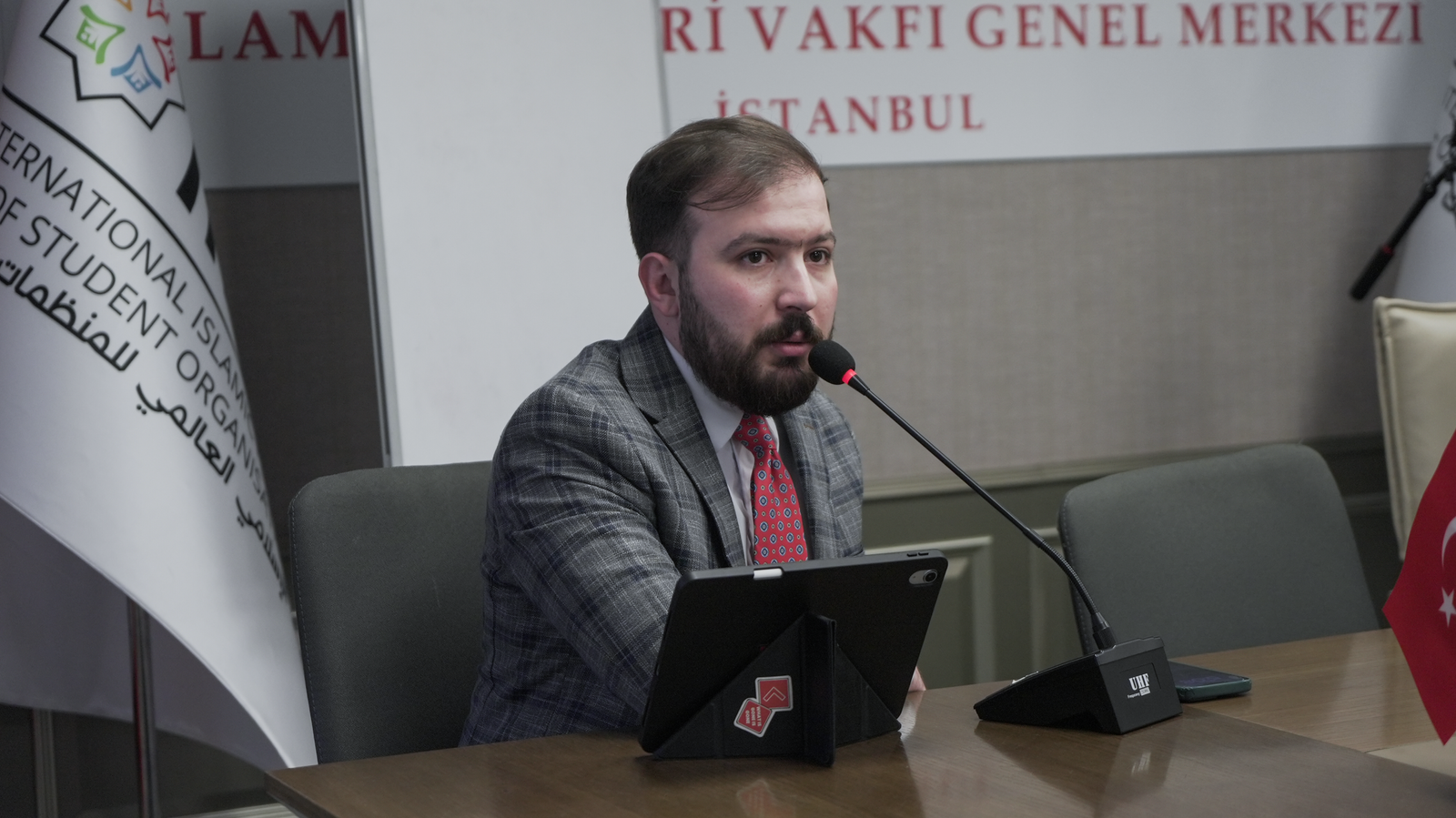
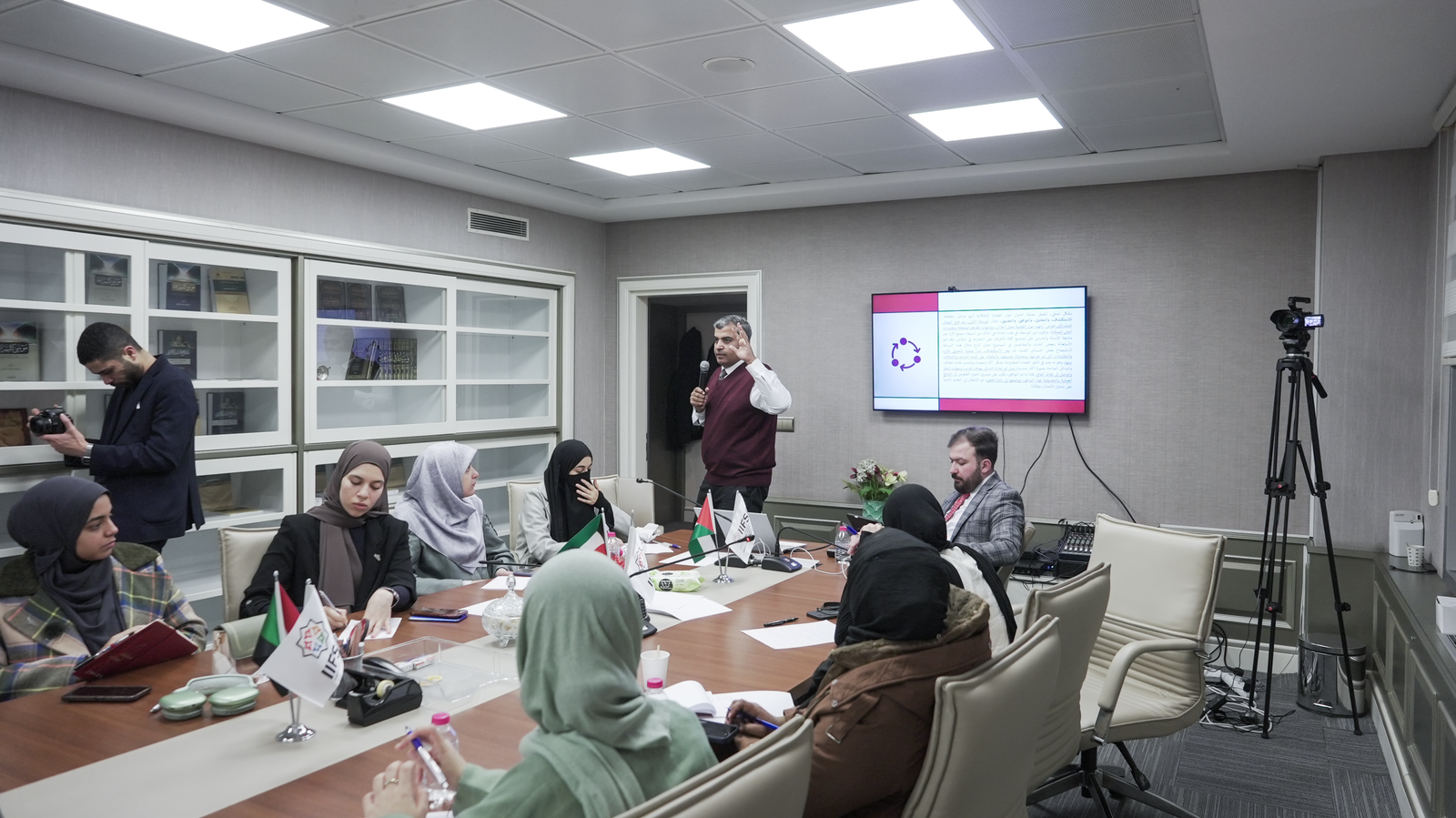
Throughout the meeting, activities ranged from plenary discussions and intellectual lectures to interactive sessions, capacity-building workshops, and applied working groups. This structure enabled participants to combine strategic reflection with skills development and practical planning for the future of organized student work.
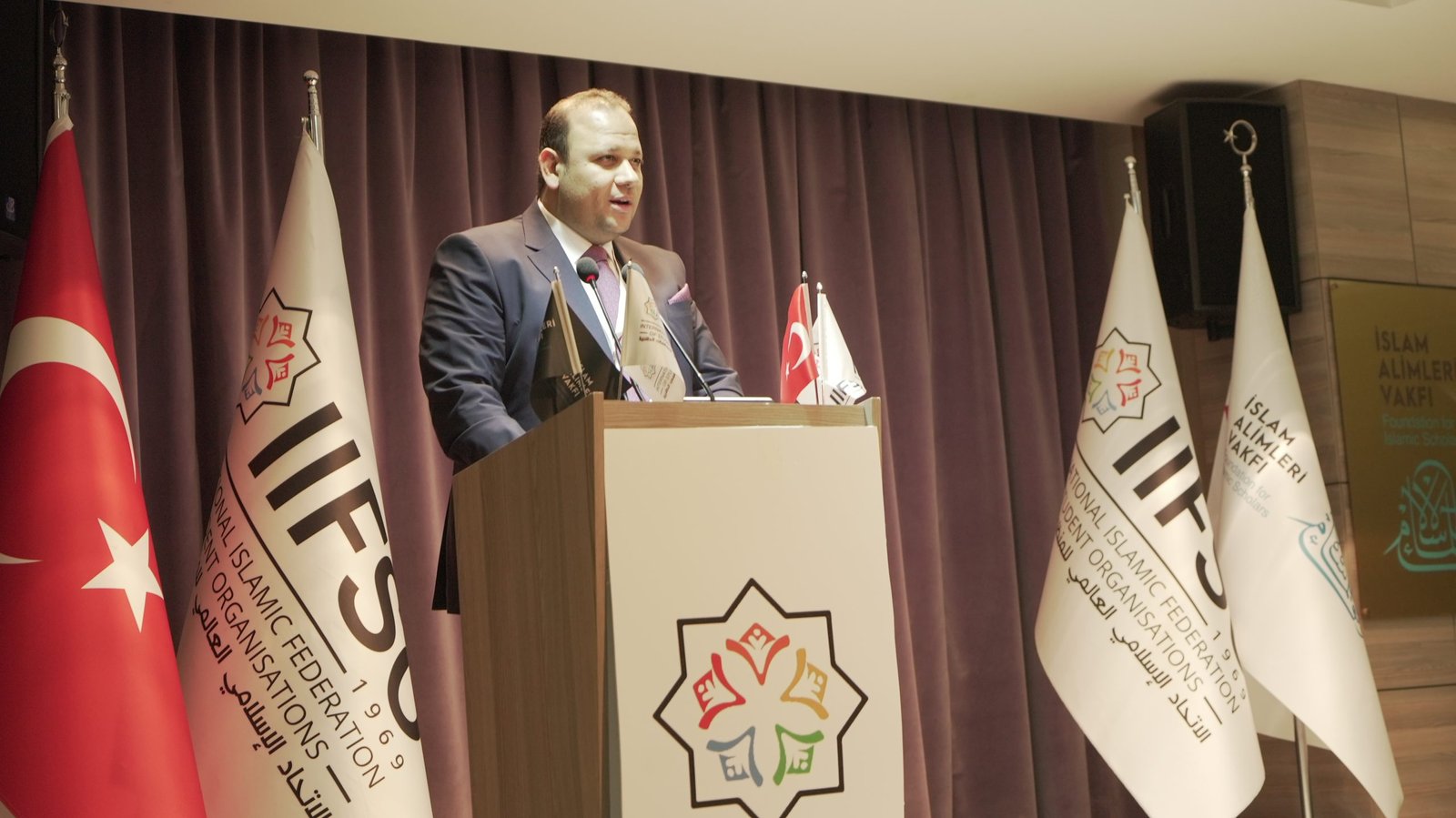
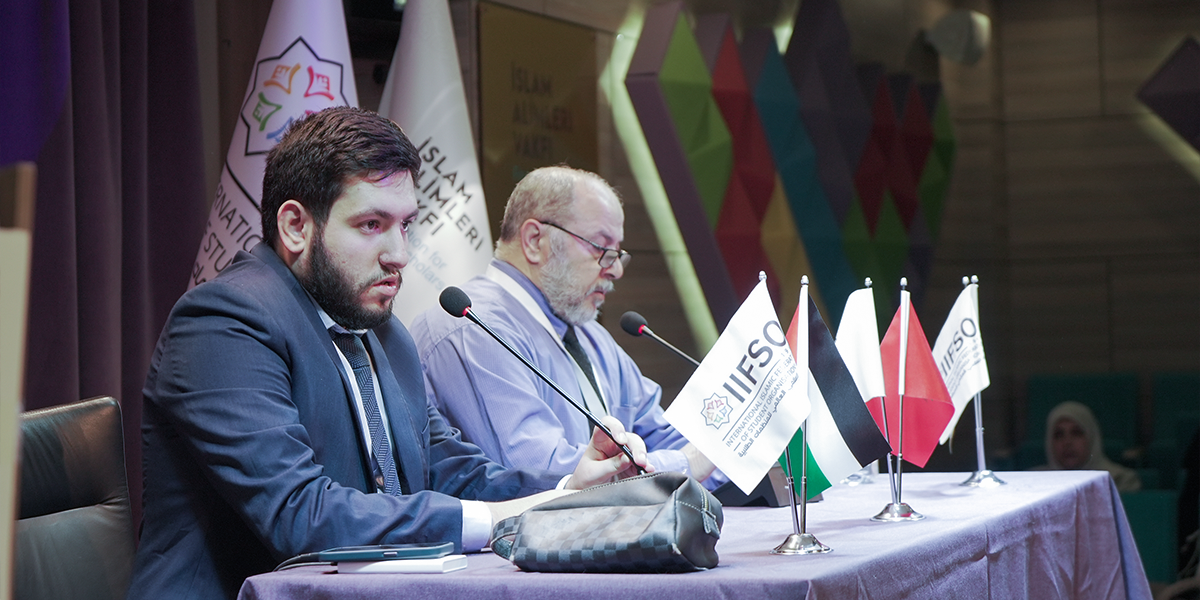
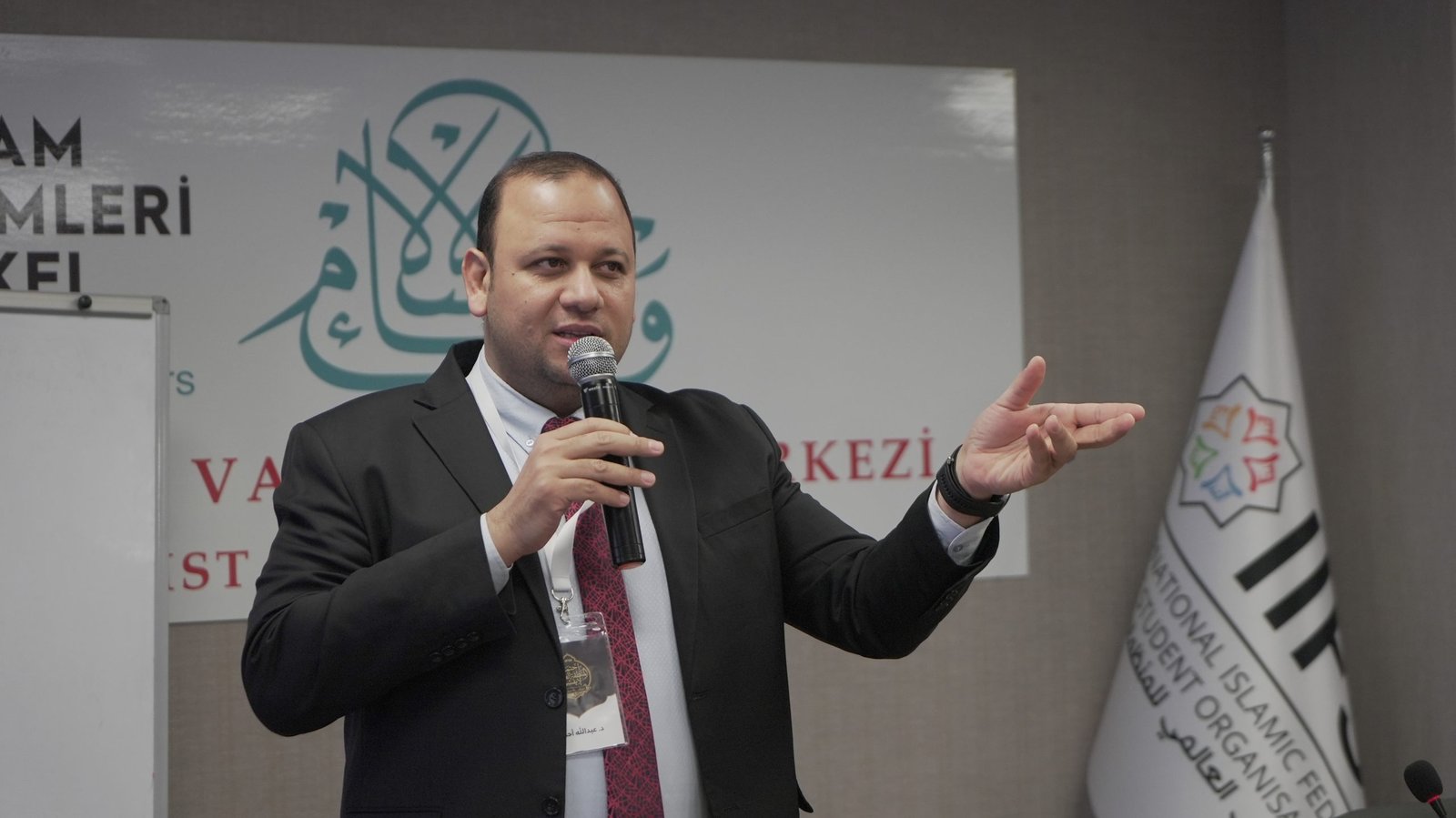
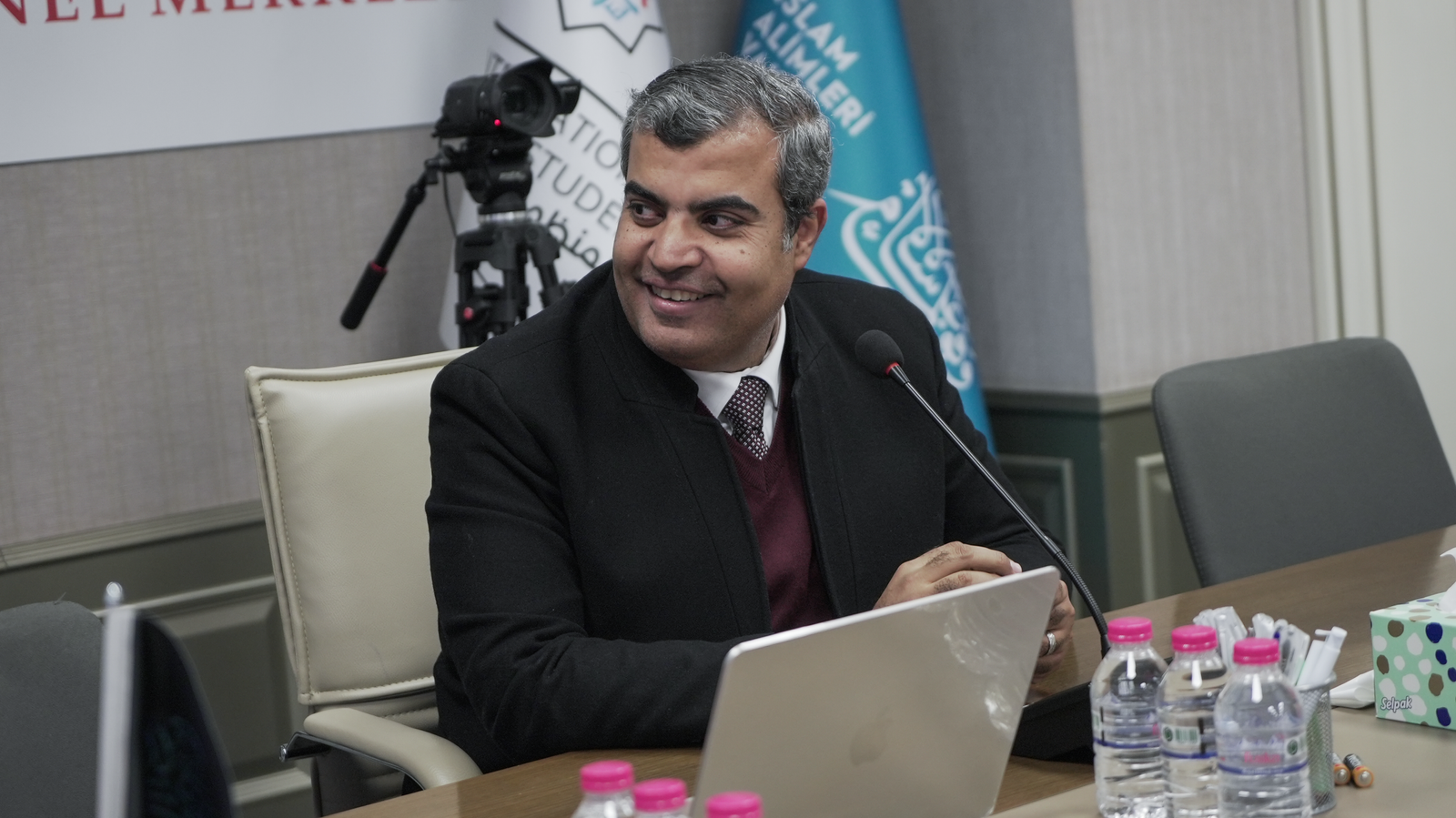
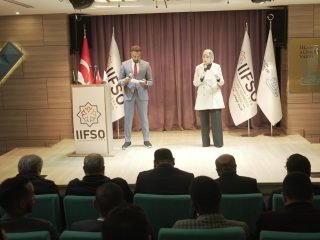
The opening session set the overall direction of the meeting. Dr. Abdullah Ahmed, Head of the Arab Region at IIFSO, emphasized that the gathering took place at a critical moment requiring heightened awareness and bold thinking. He highlighted the meeting’s theme—“Participation • Effectiveness • Impact”—as a reflection of IIFSO’s accumulated experience and the need to translate collective energy into tangible outcomes.
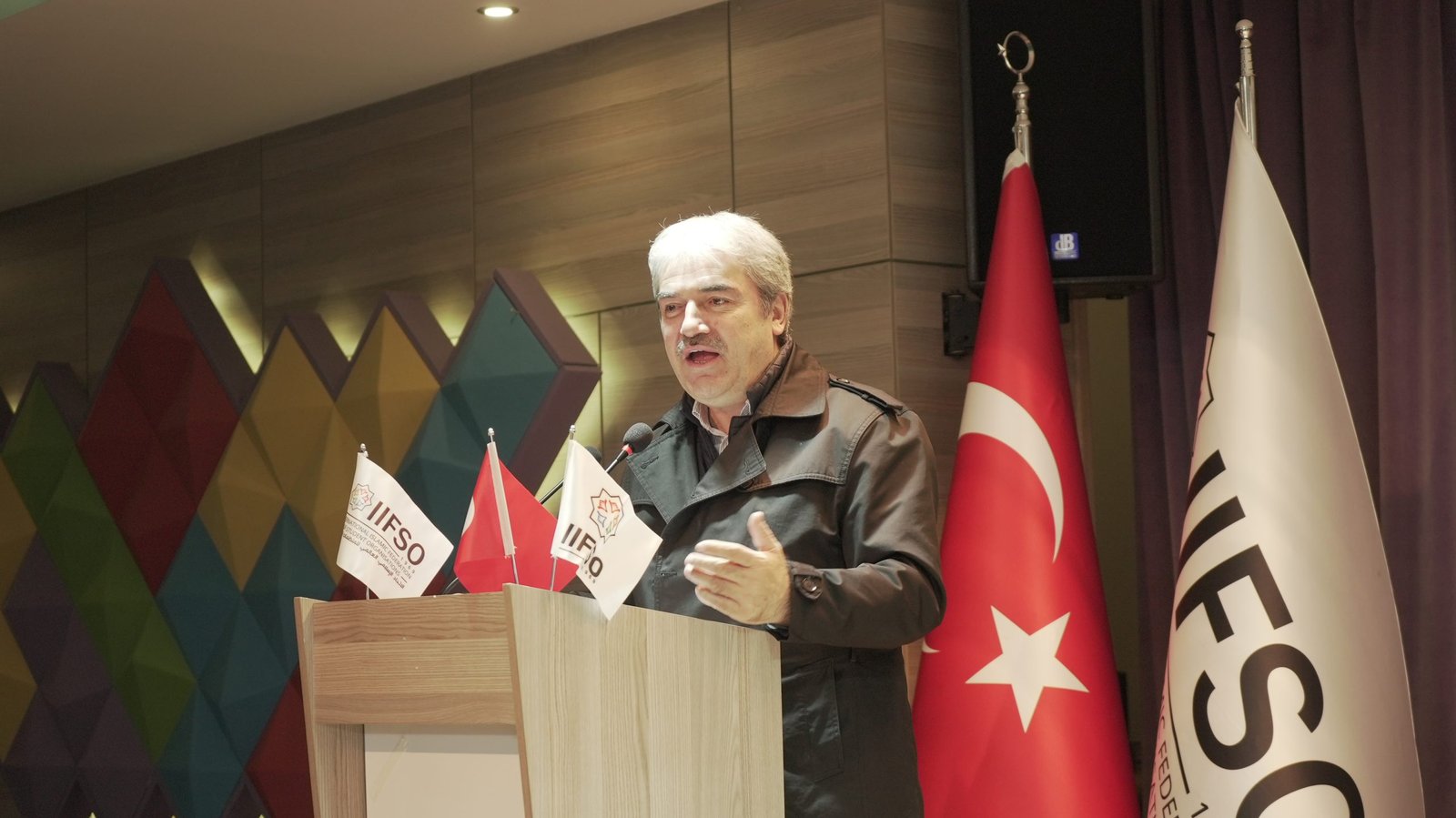
Dr. Ömer Faruk Korkmaz, former Secretary General of IIFSO, reflected on the historical dimension of the Union, describing it as an intellectual and leadership school that has shaped generations of students. He stressed that IIFSO’s independence and adherence to unifying values have been central to its continuity and influence.
Addressing the ethical dimension of student activism, Dr. Abdulvahap Akıncı, Head of the Turkish Branch of the International Union of Muslim Scholars, underscored the importance of engaging with reality consciously without becoming constrained by it, emphasizing that unity is rooted in shared values and moral cohesion.
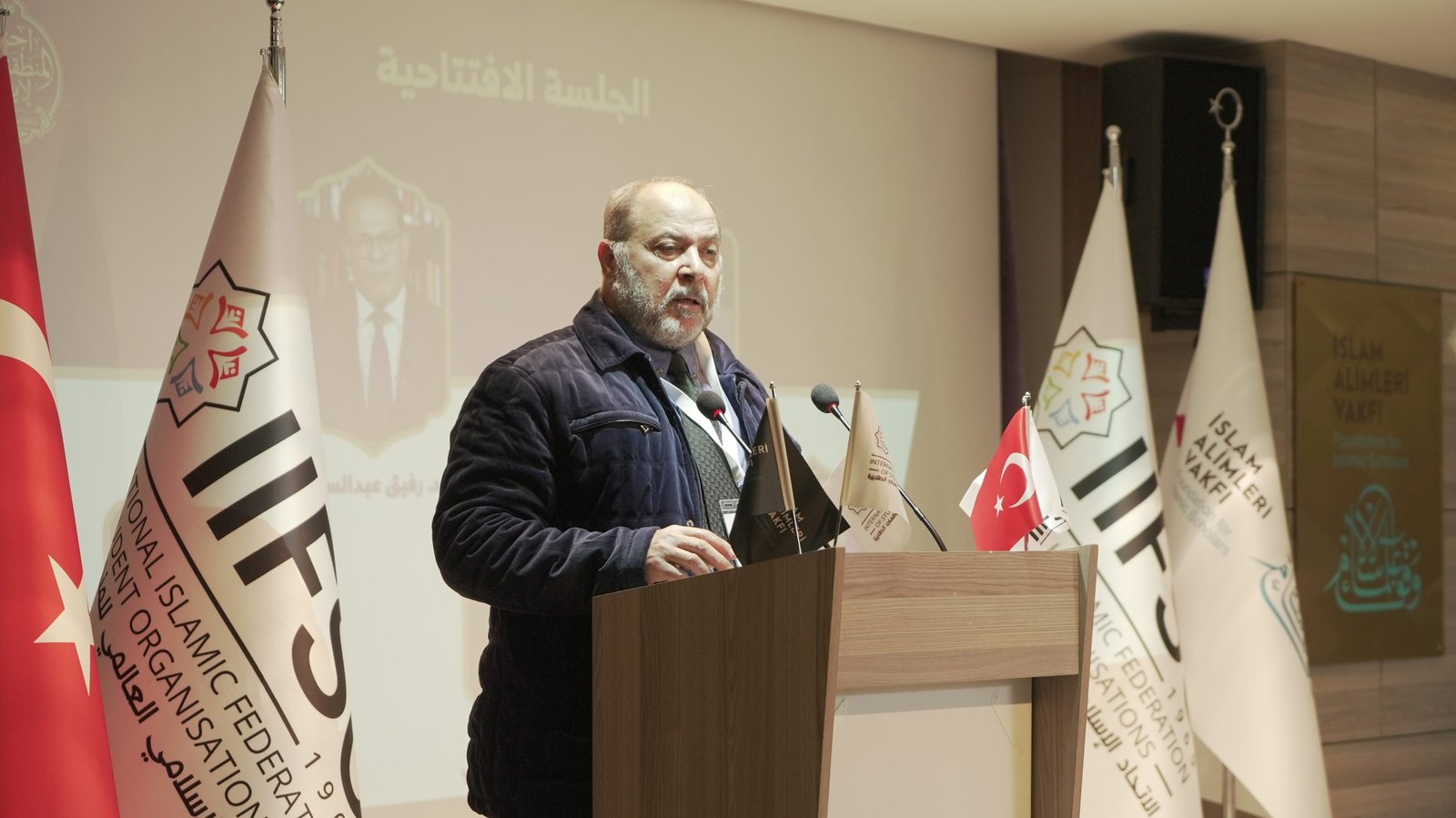
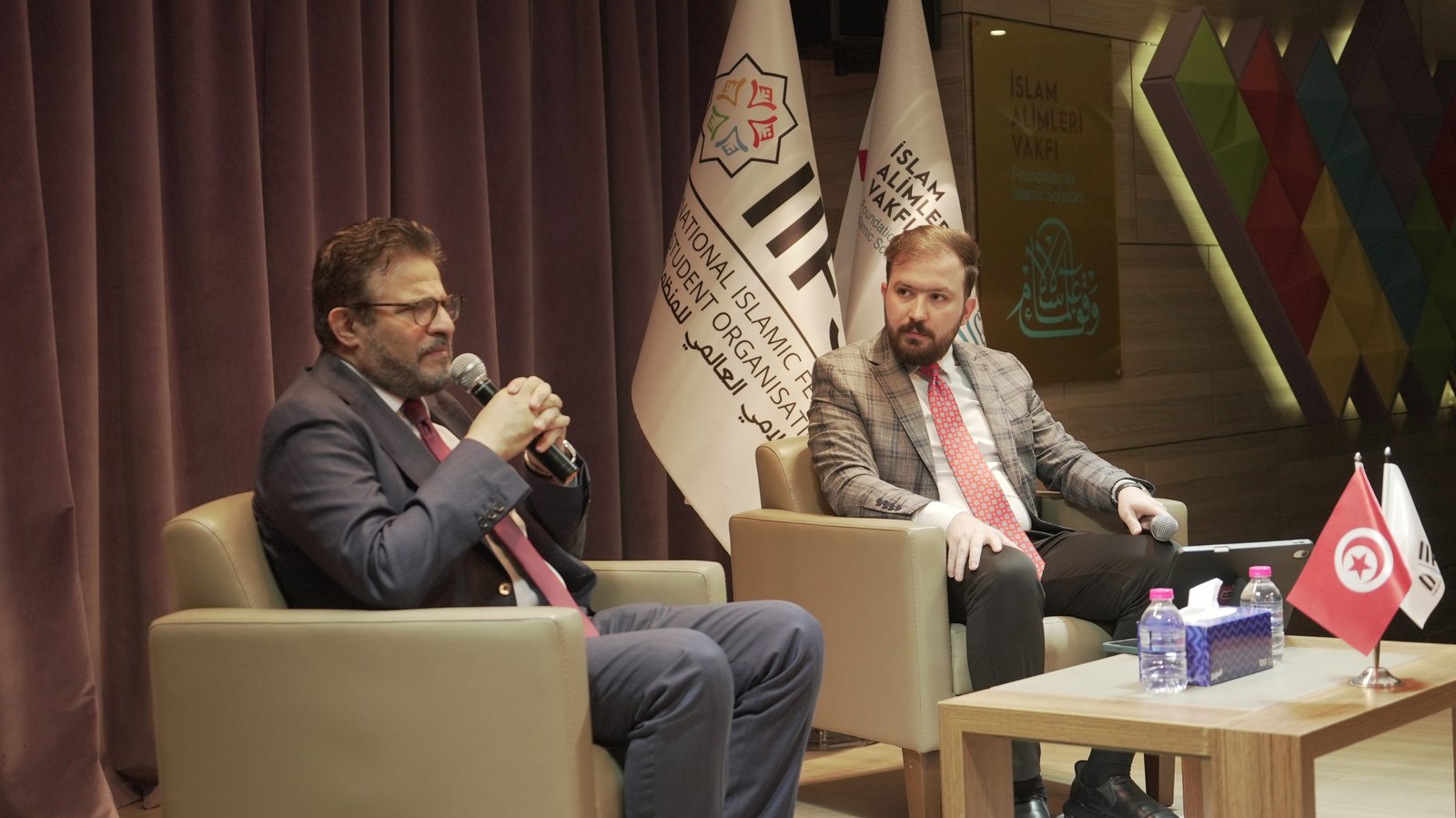
Dr. Rafik Abdessalem, former Tunisian Minister of Foreign Affairs and Head of the Arab Awareness Network, situated the meeting within the context of a rapidly transforming international order. He noted that while the Arab world continues to face uncertainty, the current moment also presents genuine opportunities for change, arguing that youth and students remain the most critical investment for the future.
The intellectual sessions further deepened these discussions. Dr. Rafik Abdessalem focused on public diplomacy, arguing that influence is no longer confined to states and that student and youth organizations have become key societal actors. He stressed the need for a coherent Arab and Islamic vision to engage effectively with global shifts.
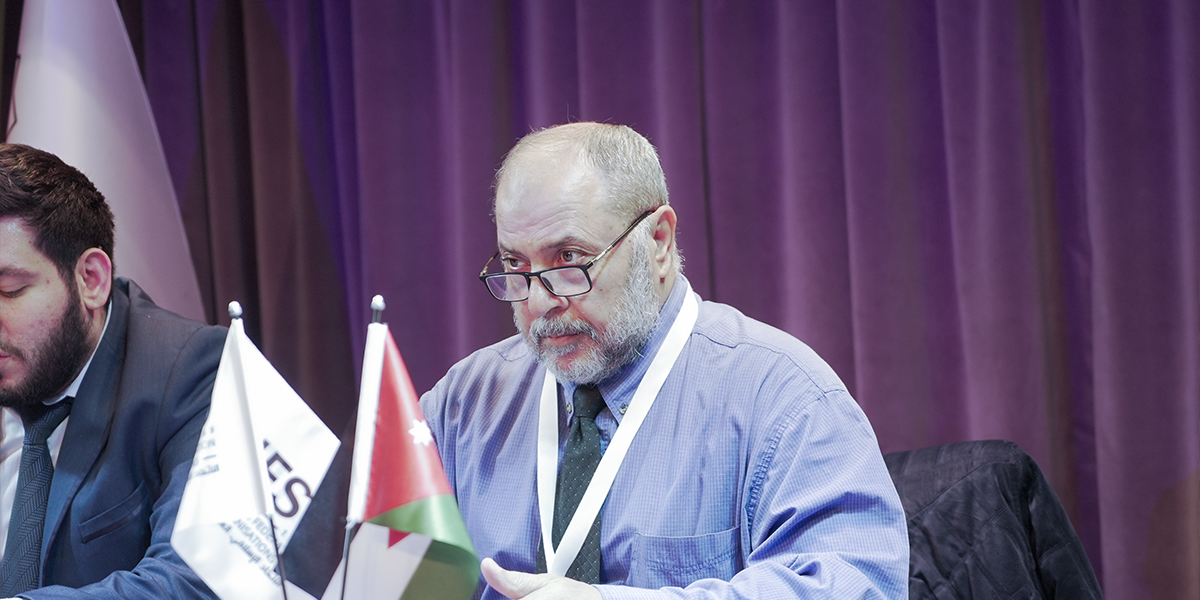
Zaki Bani Rashid, former Secretary-General of the Islamic Action Front Party and Jordanian thinker and politician, highlighted the central role of youth in global transformations. He emphasized leadership empowerment as a collective responsibility and noted that the war on Gaza and the resulting global mobilization have repositioned the Palestinian cause at the heart of international debate.
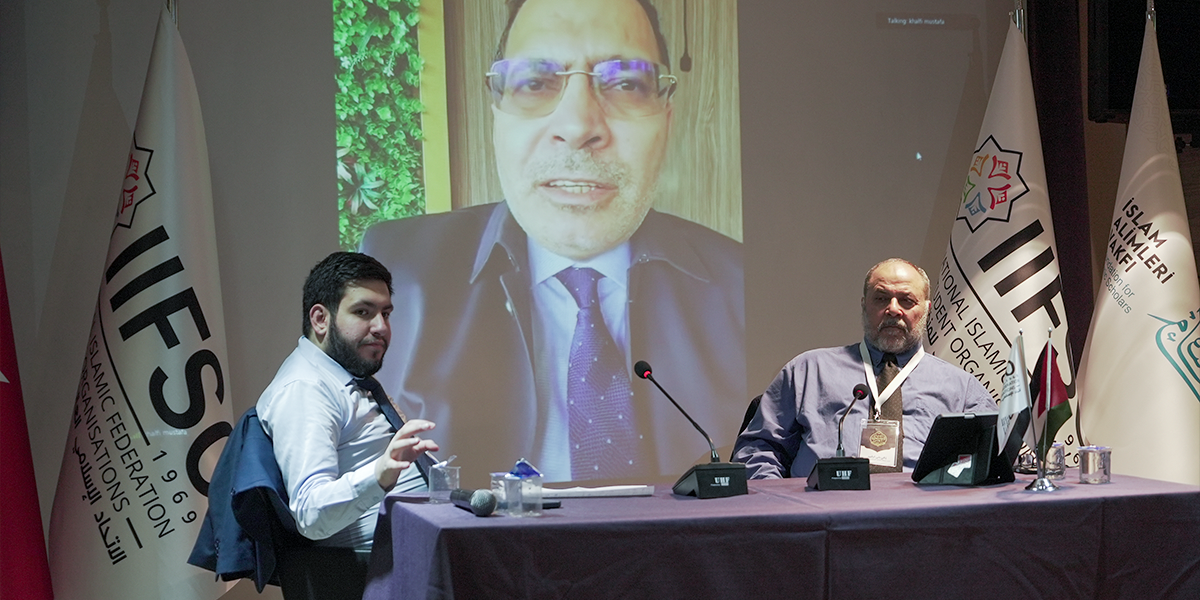
Prof. Dr. Mustapha El Khalfi, former Moroccan Minister of Communication, offered a forward-looking perspective, calling for a scientific and methodological reading of regional and international developments and proposing a structured research track within IIFSO to link analysis with organized student action.
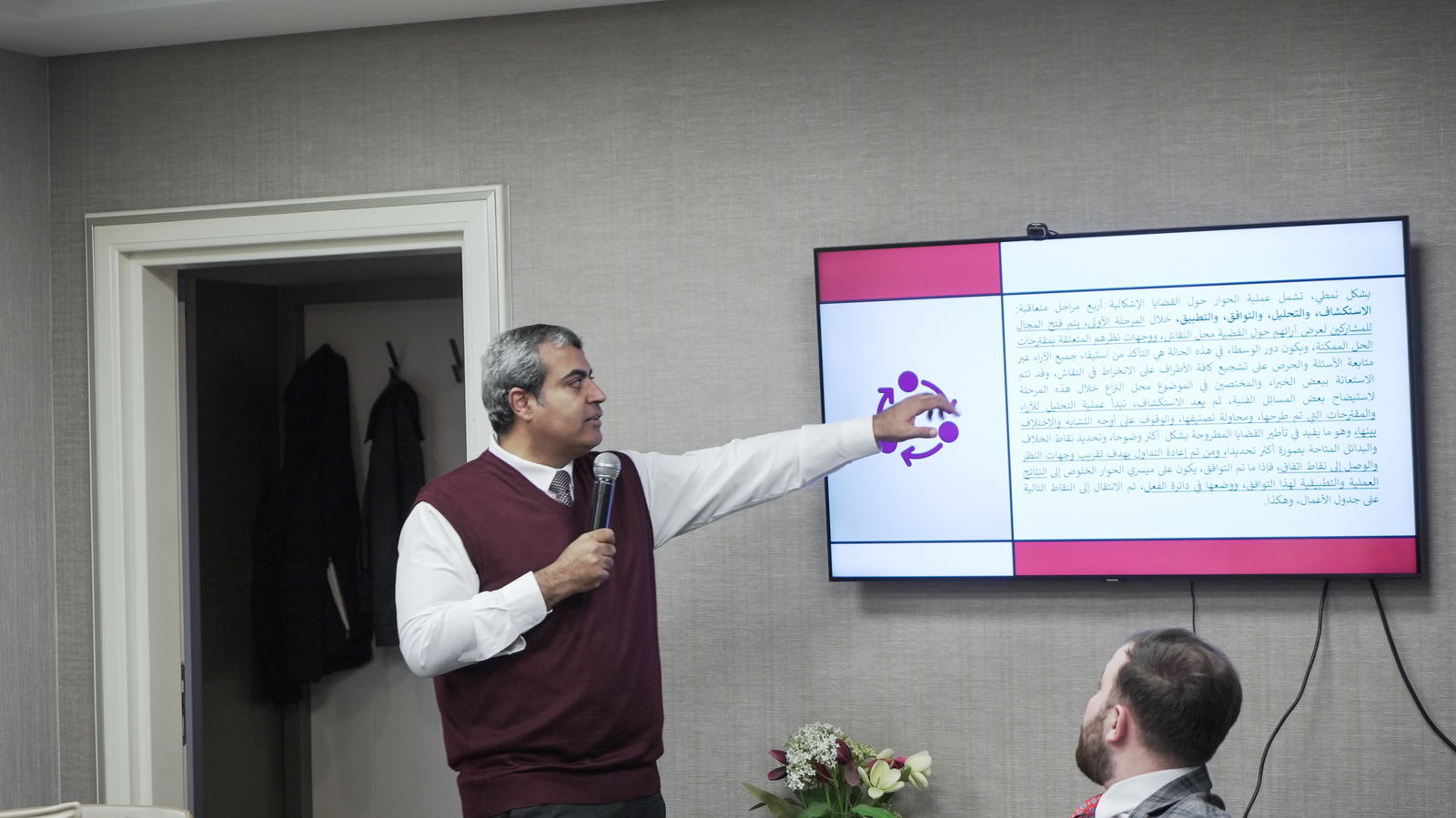
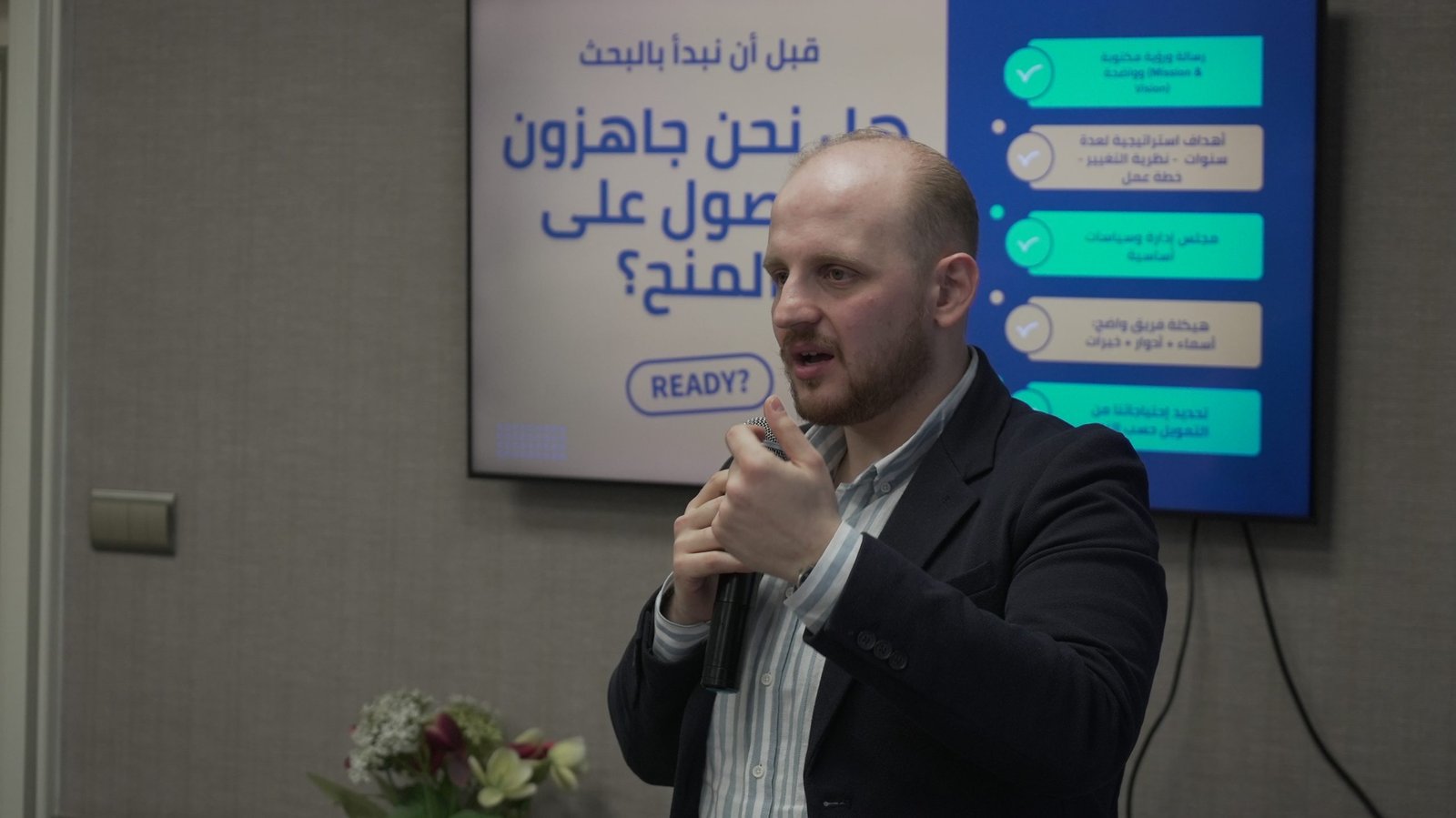
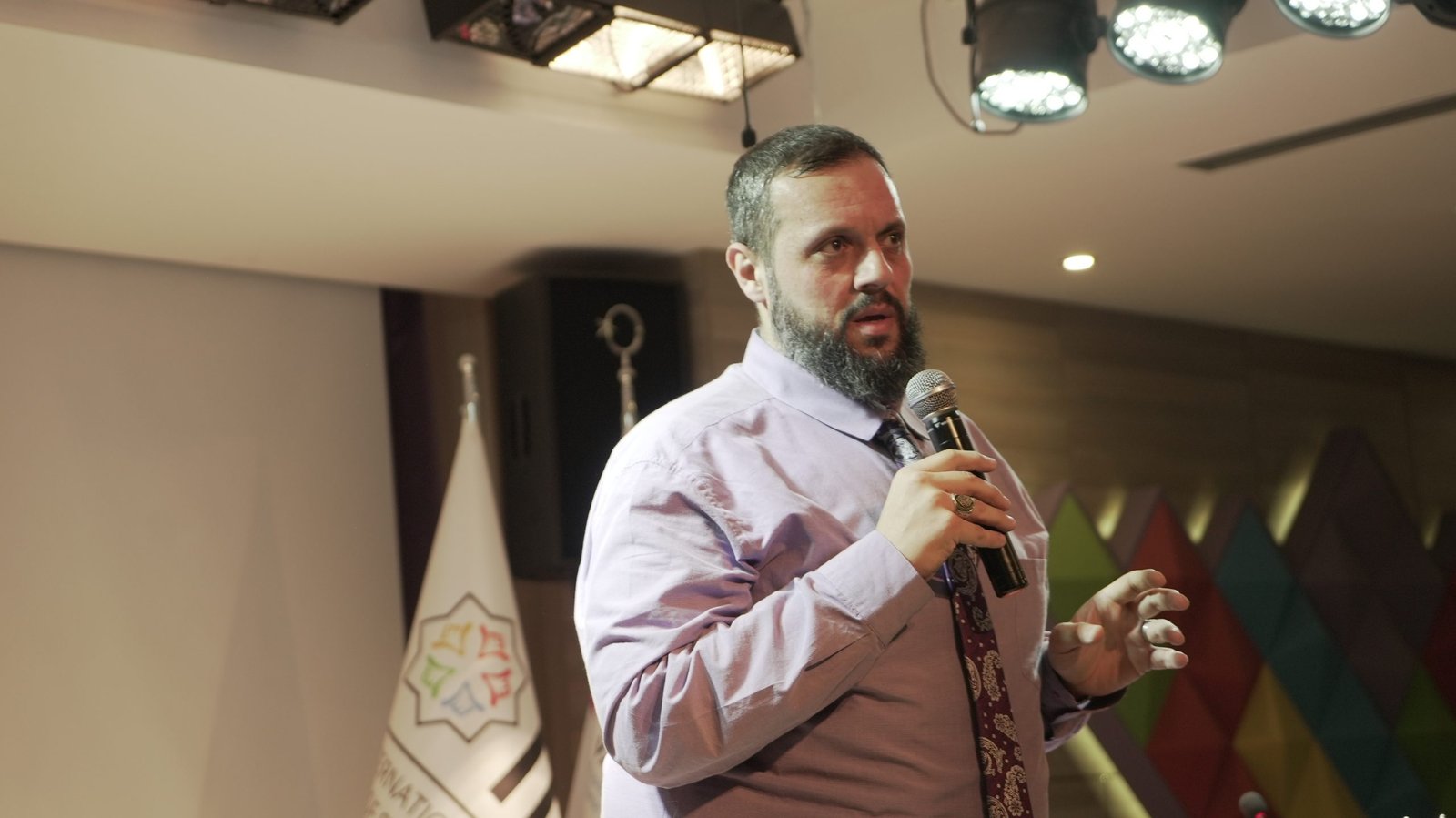
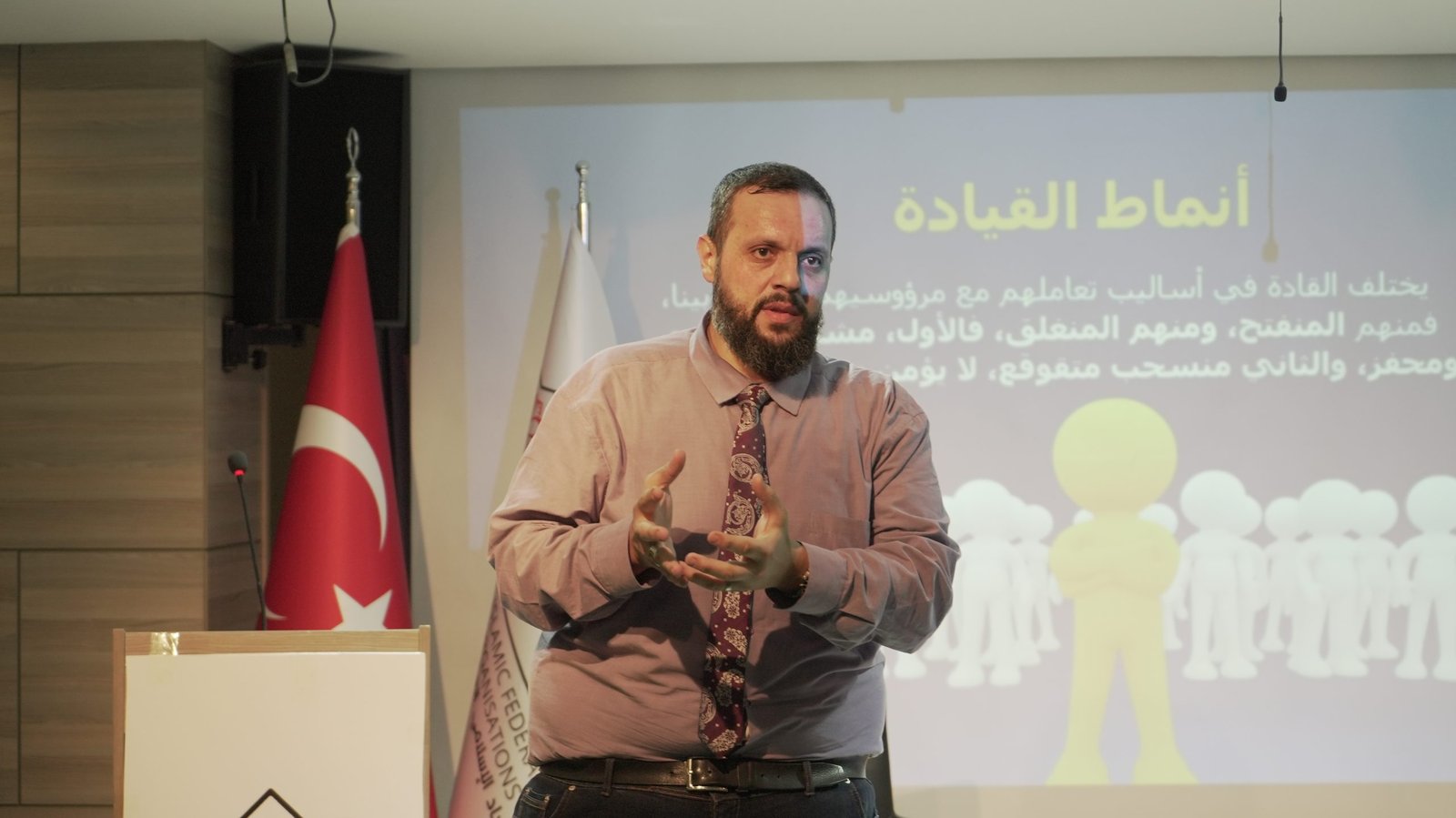
Capacity-building formed a key component of the meeting. Dr. Mohammad Affan, Director of Al-Sharq Academia, led a training session on dialogue and negotiation skills, focusing on conflict management and consensus-building. Mr. Khalid Delil addressed strategies for strengthening internal and external relations with civil society organizations, while Dr. Samer Mizher, a member of the IIFSO Shura Council, explored leadership approaches to managing resistance to change and internal disputes.
Applied workshops moved participants from diagnosis to solution-building. Mr. Mohab Ahmed led a session on designing sustainable student initiatives, addressing organizational continuity, audience engagement, and the volunteer life cycle. In a parallel workshop, Mr. Riyadh Al-Sunaid, Vice President of the Arab Region at IIFSO, guided discussions on developing the Arab Region’s work, covering training, networking, women’s engagement, and media output, and producing actionable proposals.
The closing plenary emphasized that the meeting succeeded in expanding communication channels, strengthening trust among participating organizations, and clarifying shared challenges. Dr. Abdullah Ahmed stressed that the primary task ahead lies in following up on the meeting’s outcomes and translating them into concrete programs and initiatives.
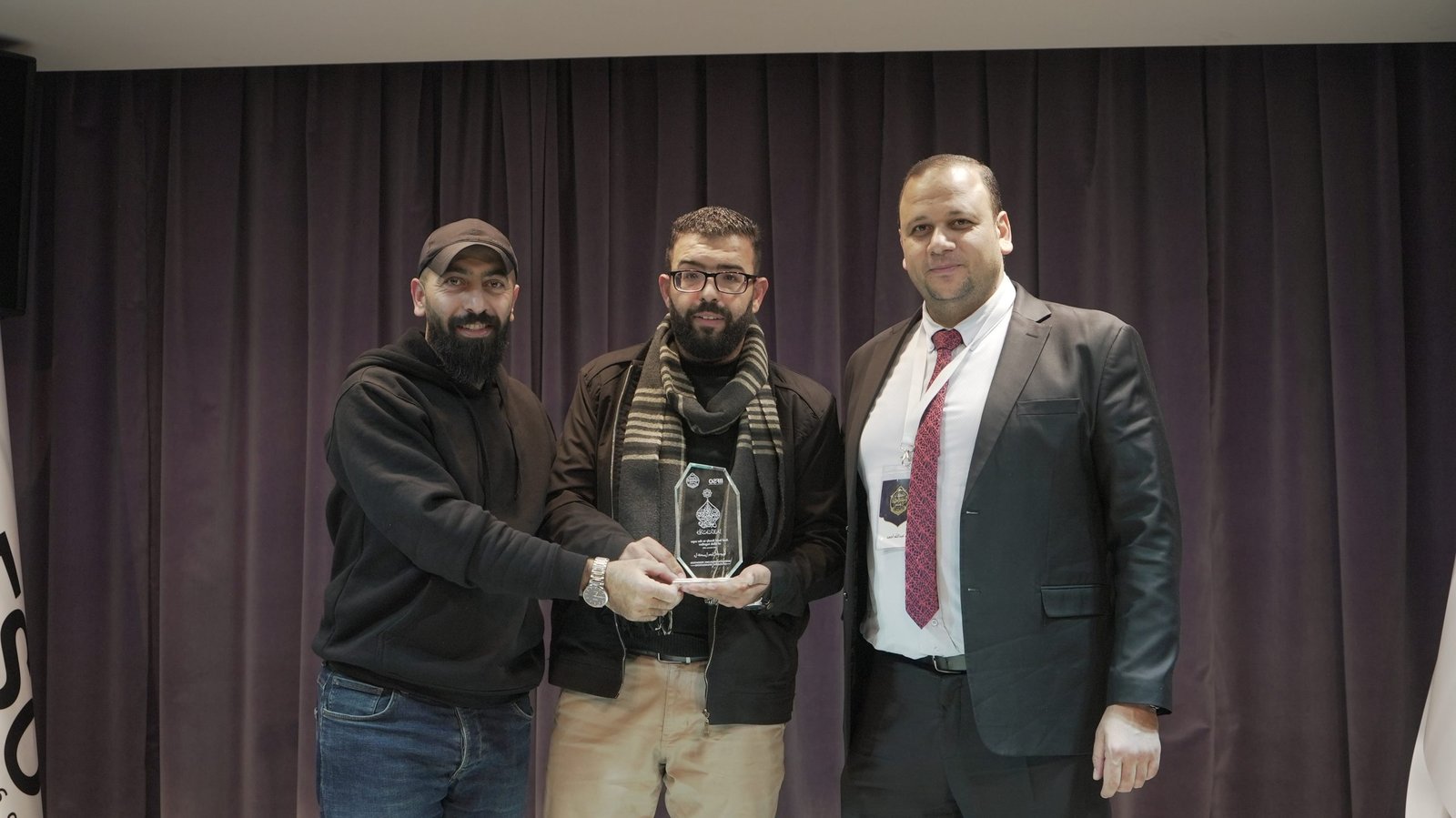
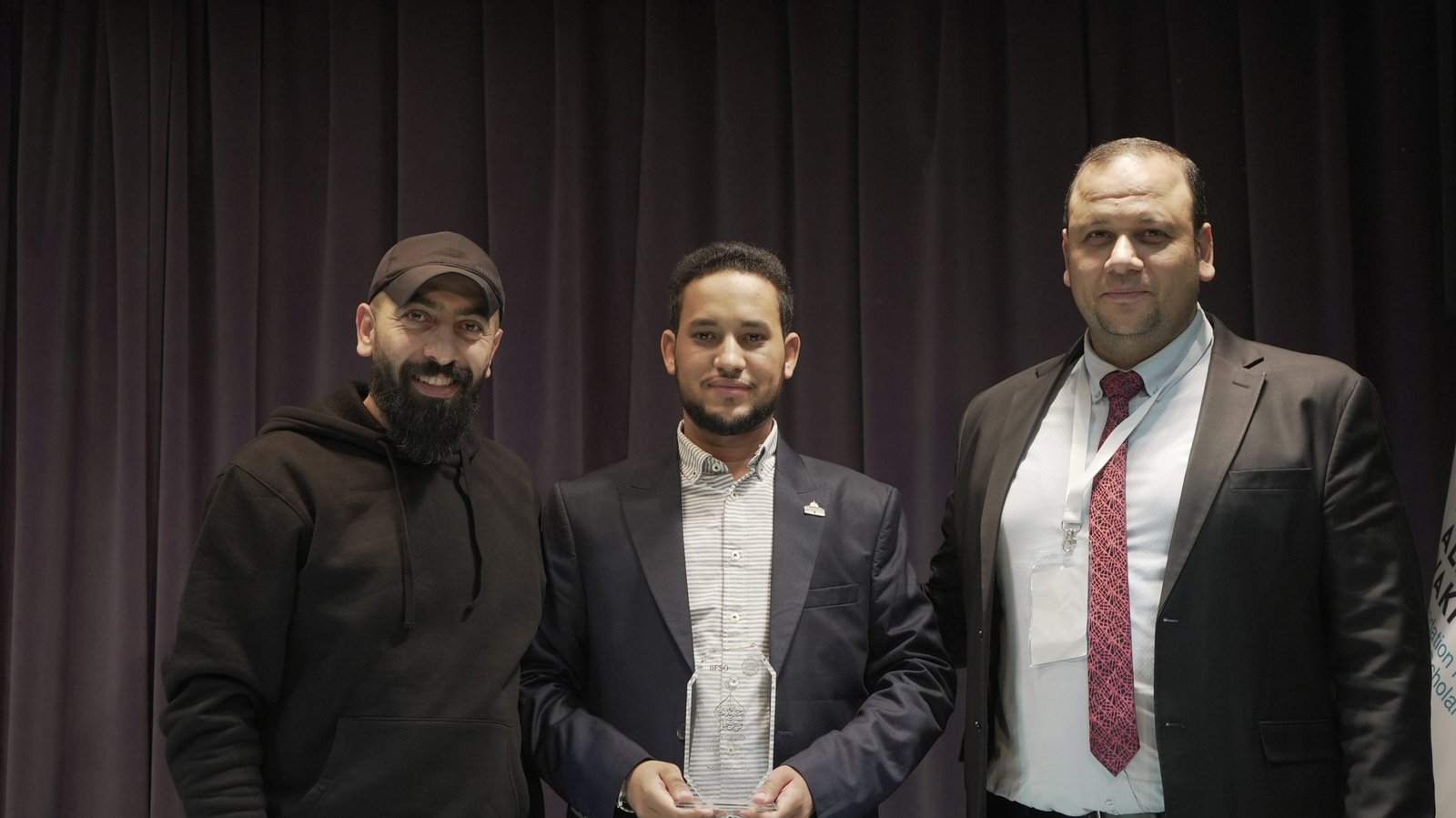
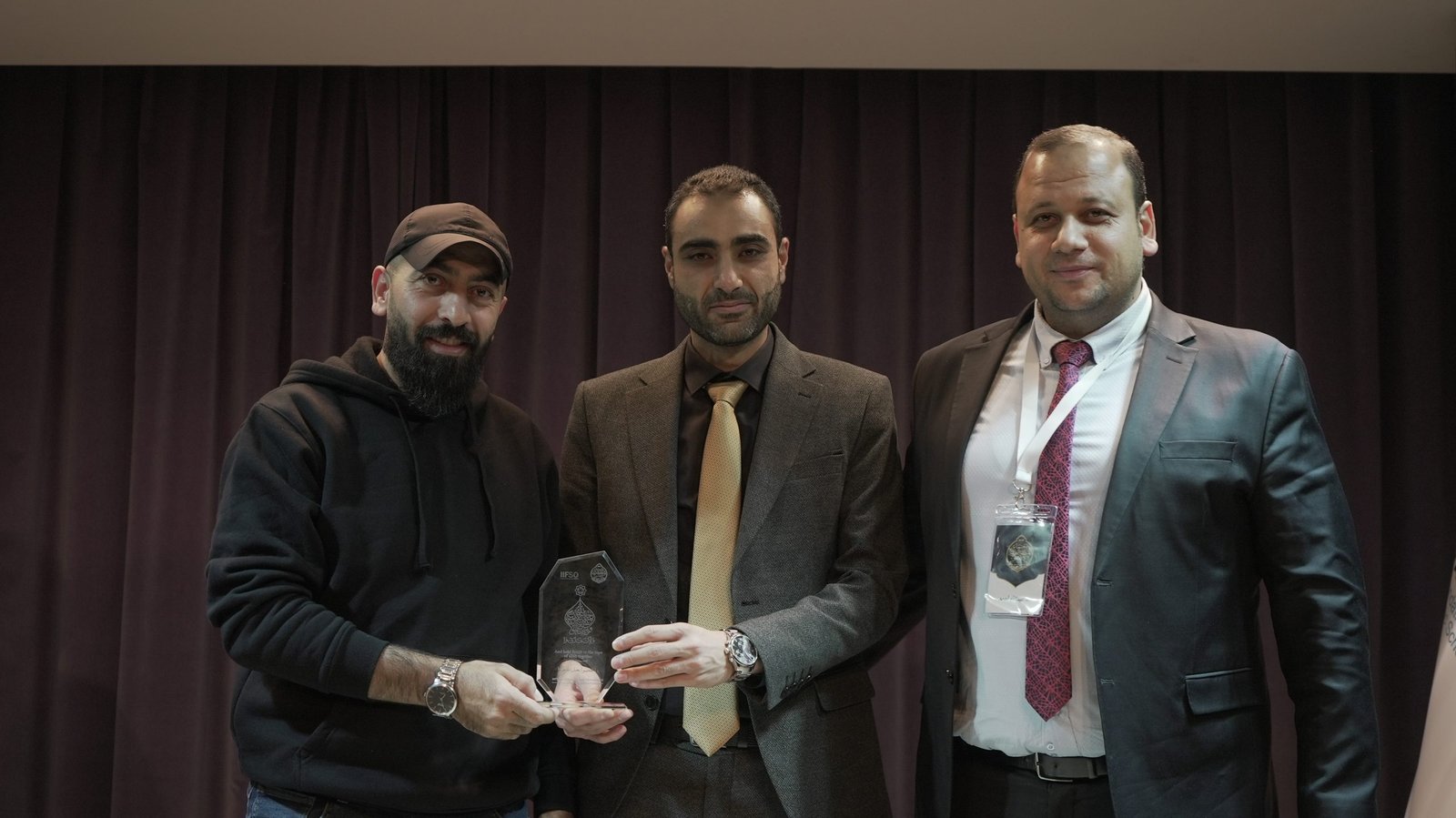
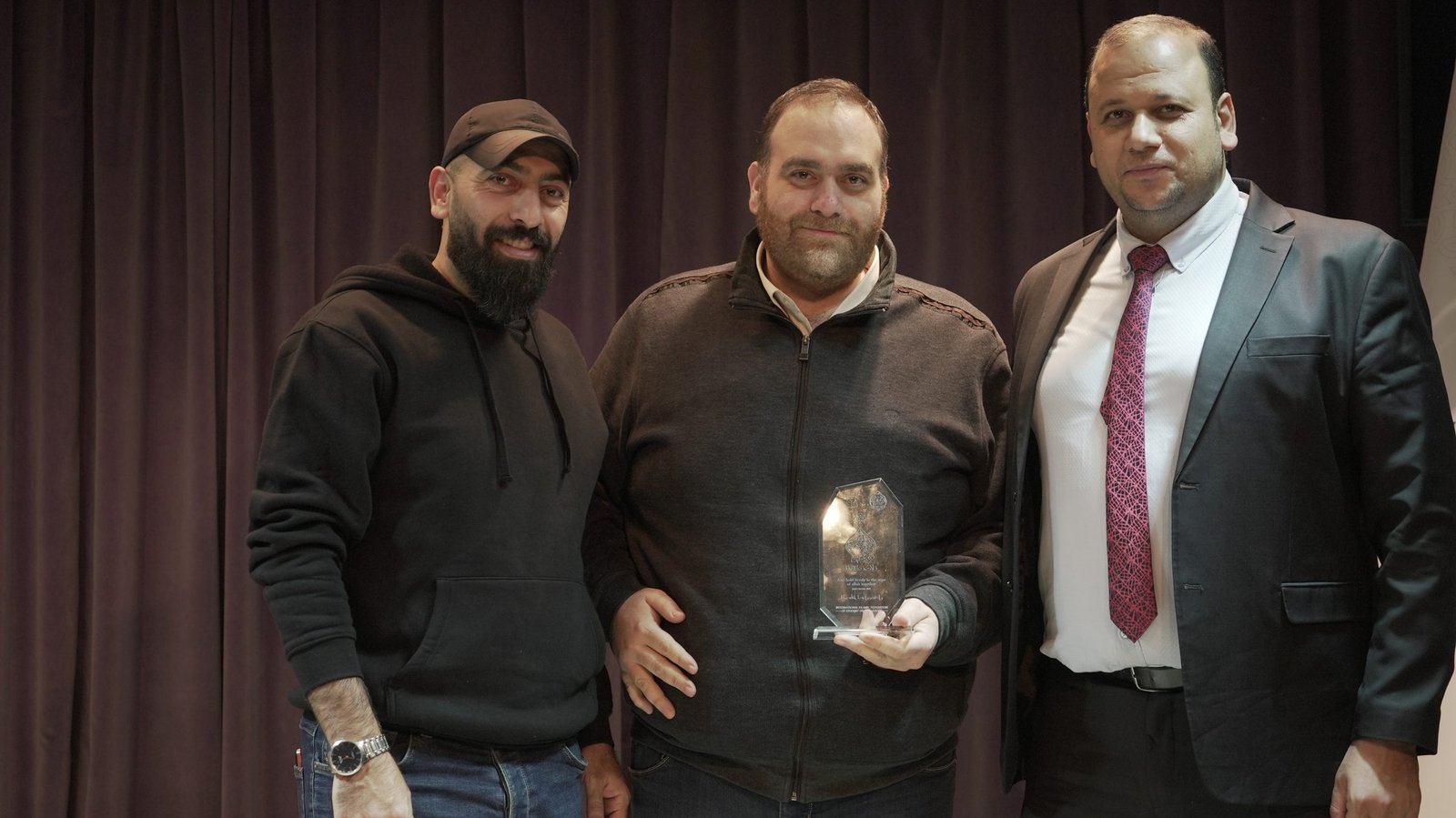
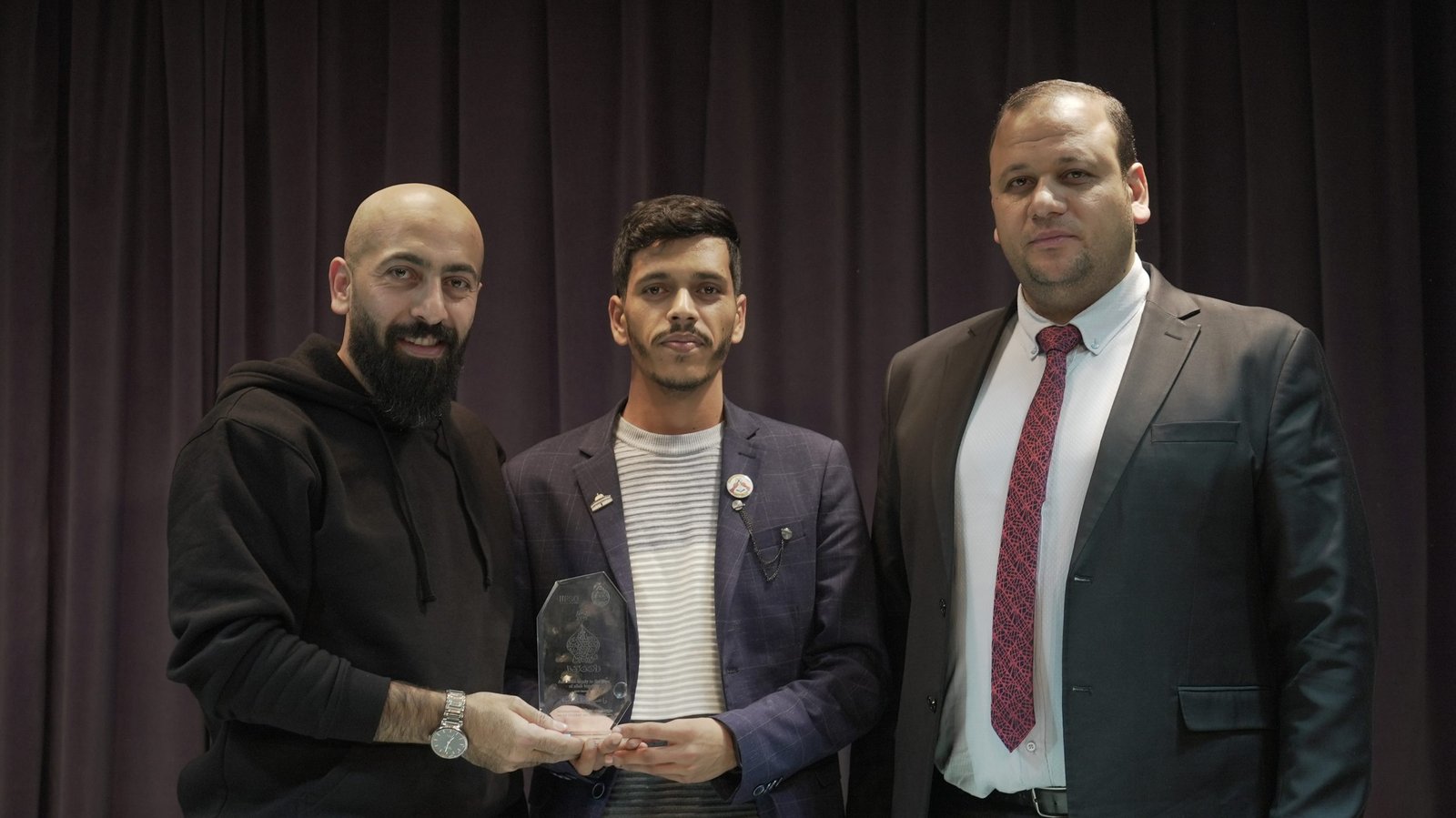
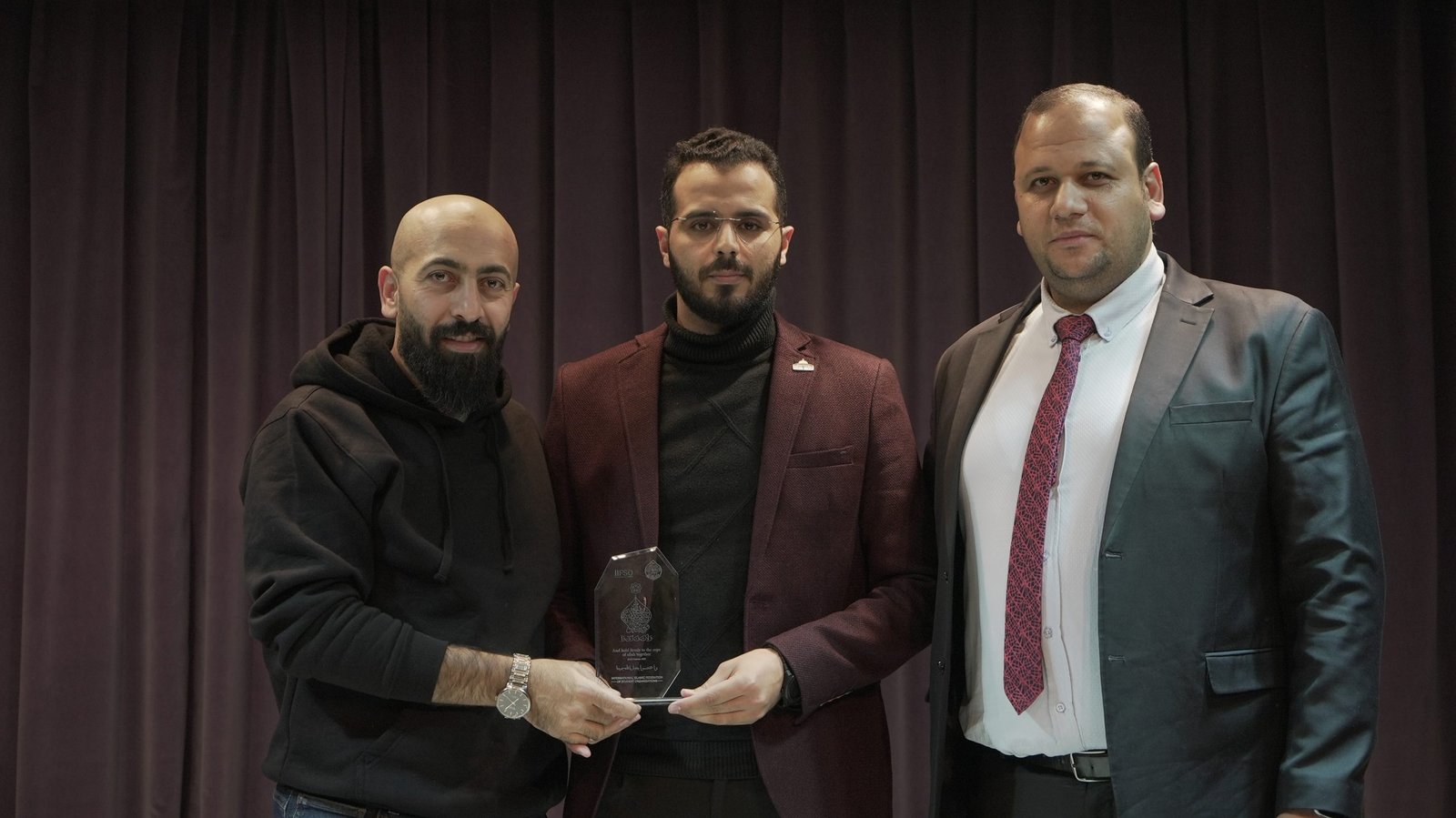
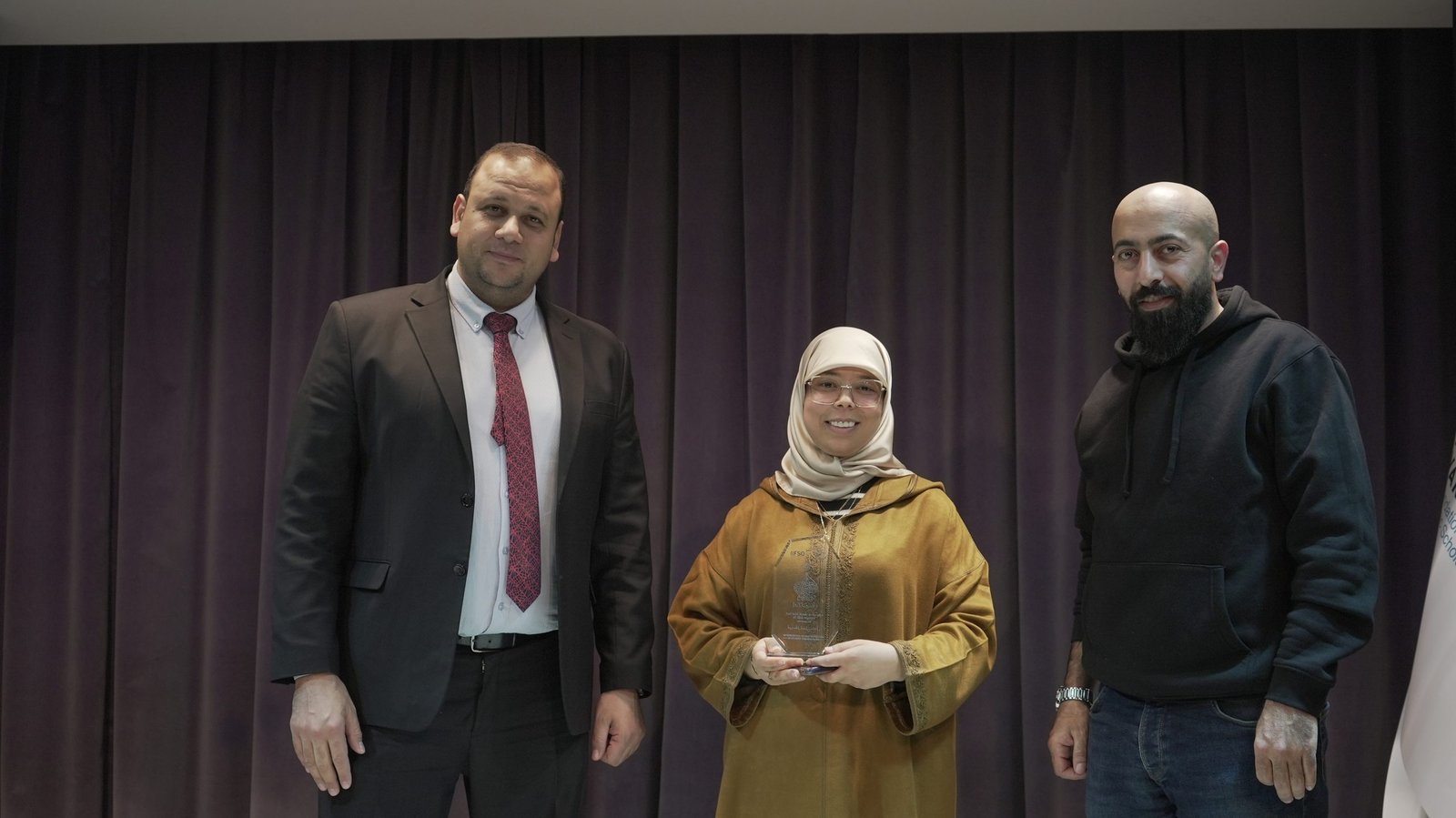
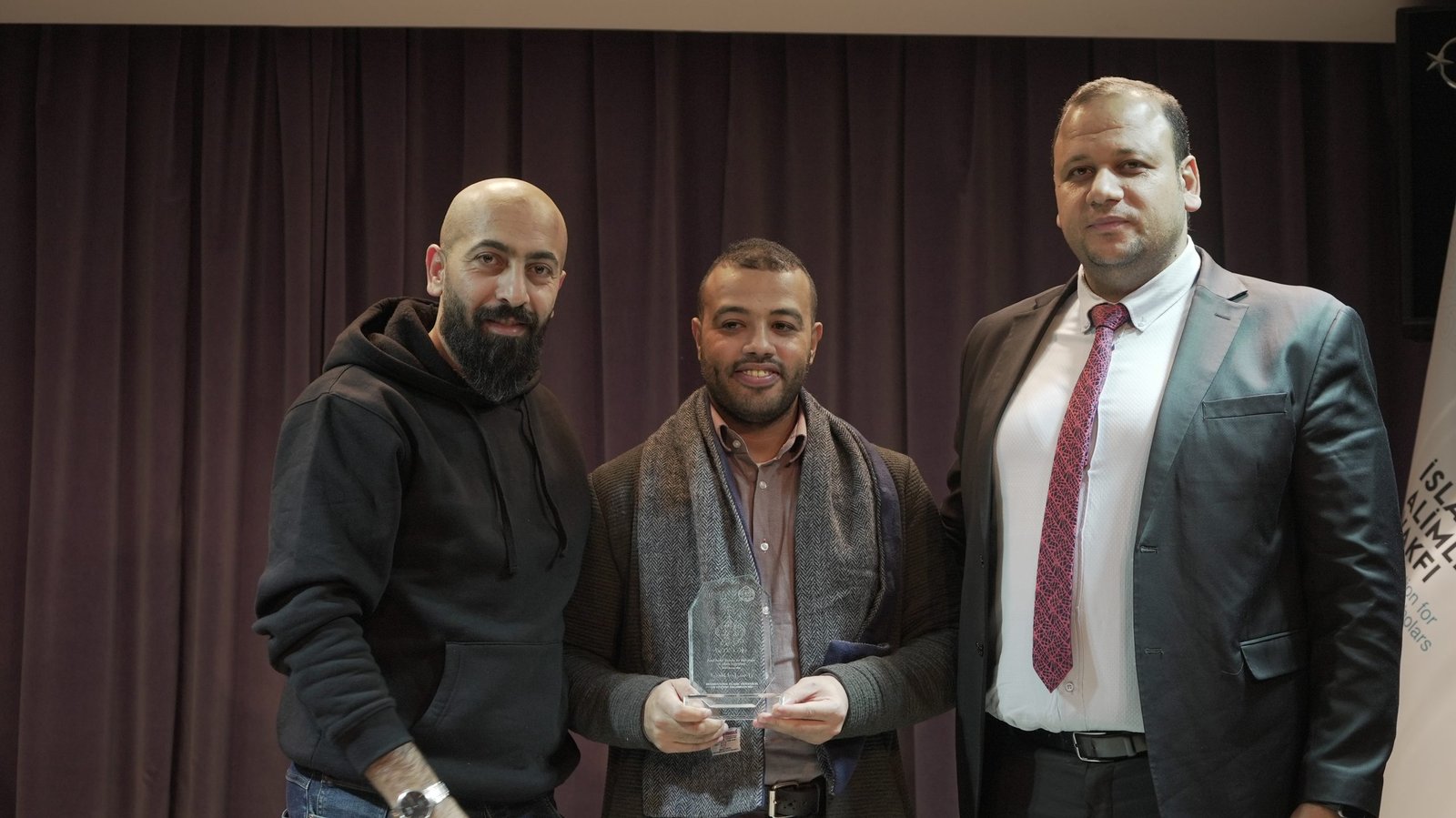
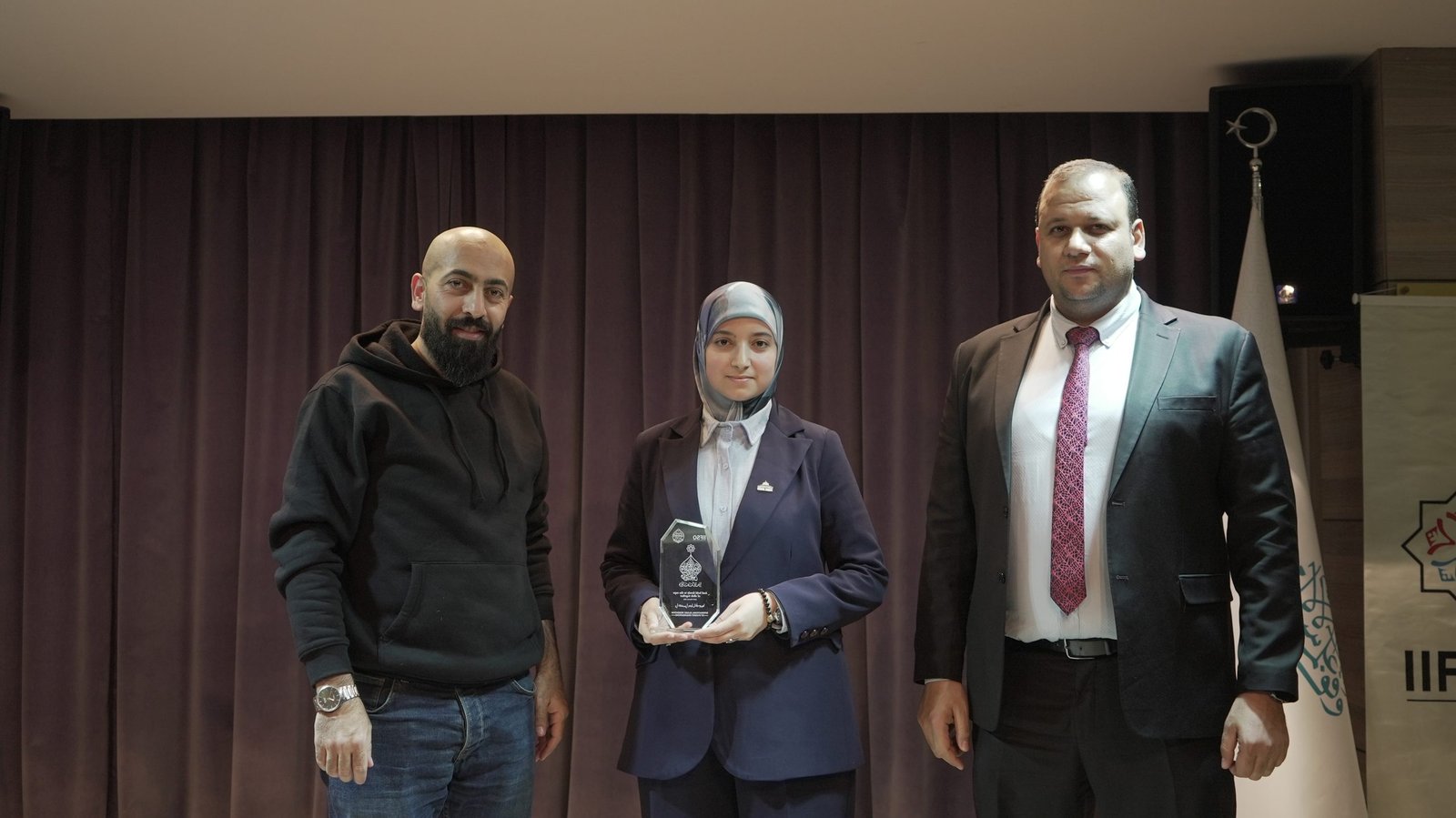
The closing session included the honoring of heads of participating country delegations and contributing figures. The IIFSO Arab Region Meeting 2025 concluded with broad consensus on its outcomes and a shared commitment to consolidating clearer, more coordinated pathways for student action in the period ahead.