Islamabad – December 2025
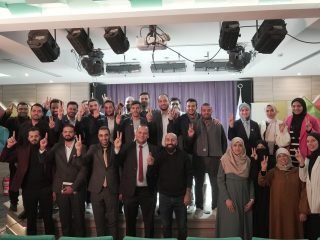
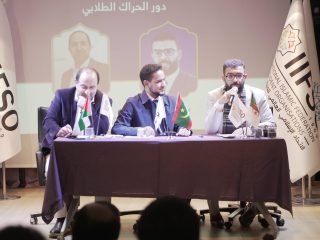
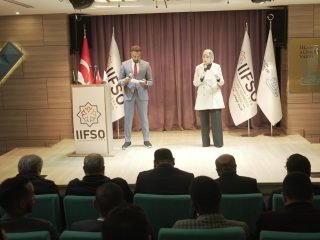
In a drive to bolster joint action between student and youth organizations and develop youth competencies, the “International Leadership Summit 2025” (ILS 2025) concluded its proceedings in the Pakistani capital, Islamabad; hosted by “Islami Jamiat-e-Talaba” (IJT) and organized in collaboration with the International Islamic Federation of Student Organizations (IIFSO), this year’s edition was distinguished by adopting a qualitative approach that rearranged priorities, placing the files of “Youth Intellectual Building” and “Leadership Qualification” as the primary starting point and fundamental pillar before moving to deconstruct the international political landscape and anticipate its accelerating variables.
A Launch with a Welcoming Spirit and Inclusive Vision
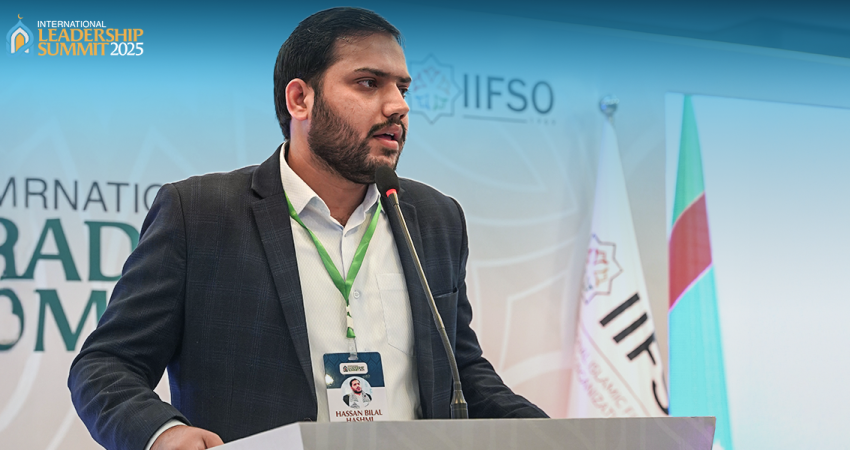
The summit commenced with a highly positive atmosphere, where Mr. Hassan Bilal Hashmi, President of “Islami Jamiat-e-Talaba Pakistan”, welcomed the distinguished guests and participating delegations in his opening remarks, establishing a comprehensive intellectual framework for the discussions and setting a tone of deep and inclusive dialogue; Hashmi focused in his address on the importance of this qualitative gathering in unifying visions and renewing the pledge among student leaders, considering that Islamabad’s hosting of this event reflects the organization’s commitment to building bridges of communication and fostering an interactive environment for enlightened ideas.
The Priority of Righteous Leadership in a Changing World
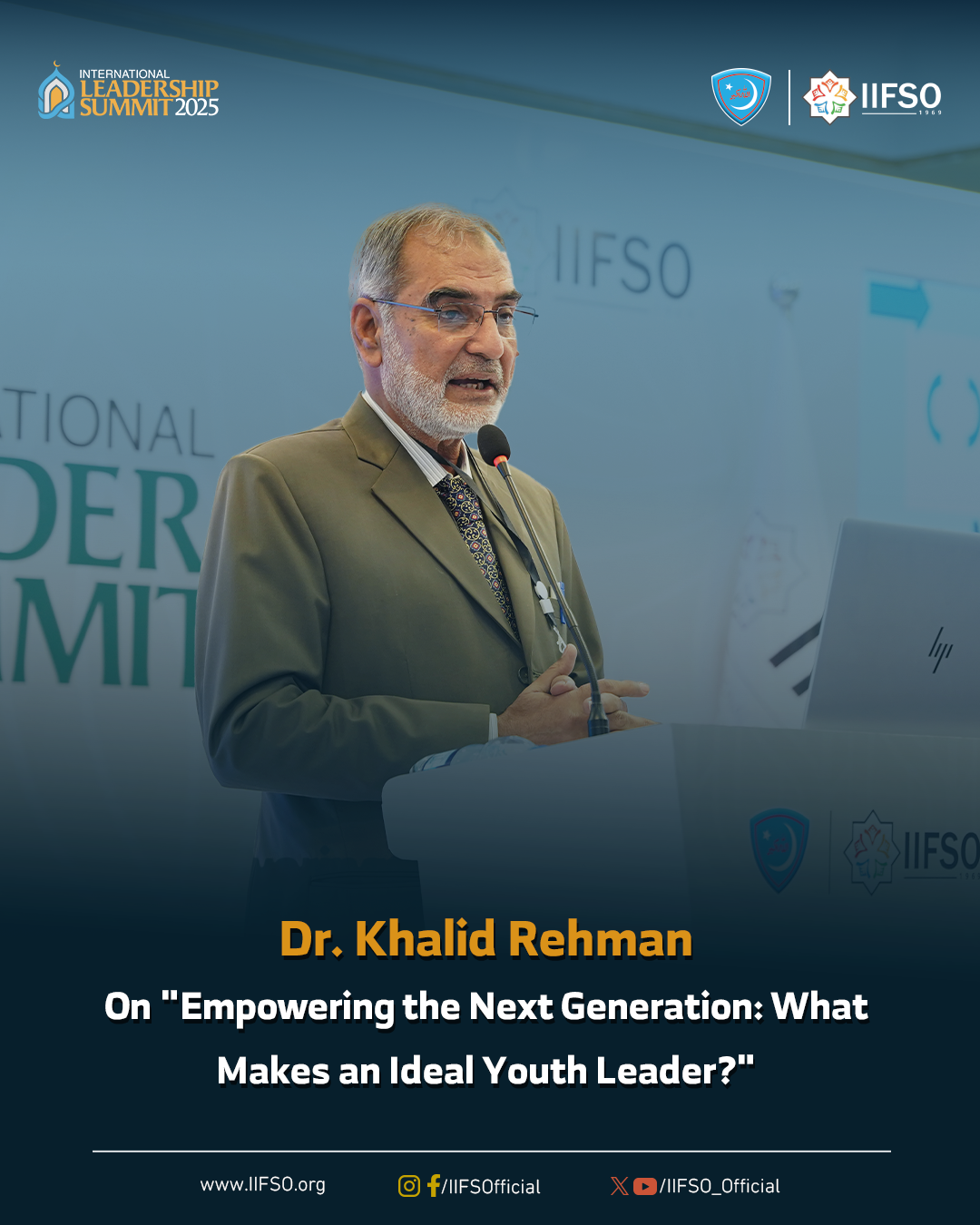
Proceeding from a vision that considers the human element the cornerstone of any revivalist project, the leadership building theme topped the summit’s agenda through in-depth discussions aimed at transcending traditional concepts; in this framework, Dr. Khalid Rehman, Chairman of the Institute of Policy Studies (IPS) in Islamabad , presented an analytical vision during his session titled “Empowering the Next Generation: What Makes an Ideal Youth Leader?”, focusing on the necessity of formulating a leadership personality that possesses the cognitive and skill-based tools required to deal with the complexities of the era, concluding that the youth leader must combine high professional competence with value-based commitment to be able to contribute effectively to their society and balance between constants and variables in a global environment characterized by fluidity and cultural challenges.
An Analytical Reading of the International Scene
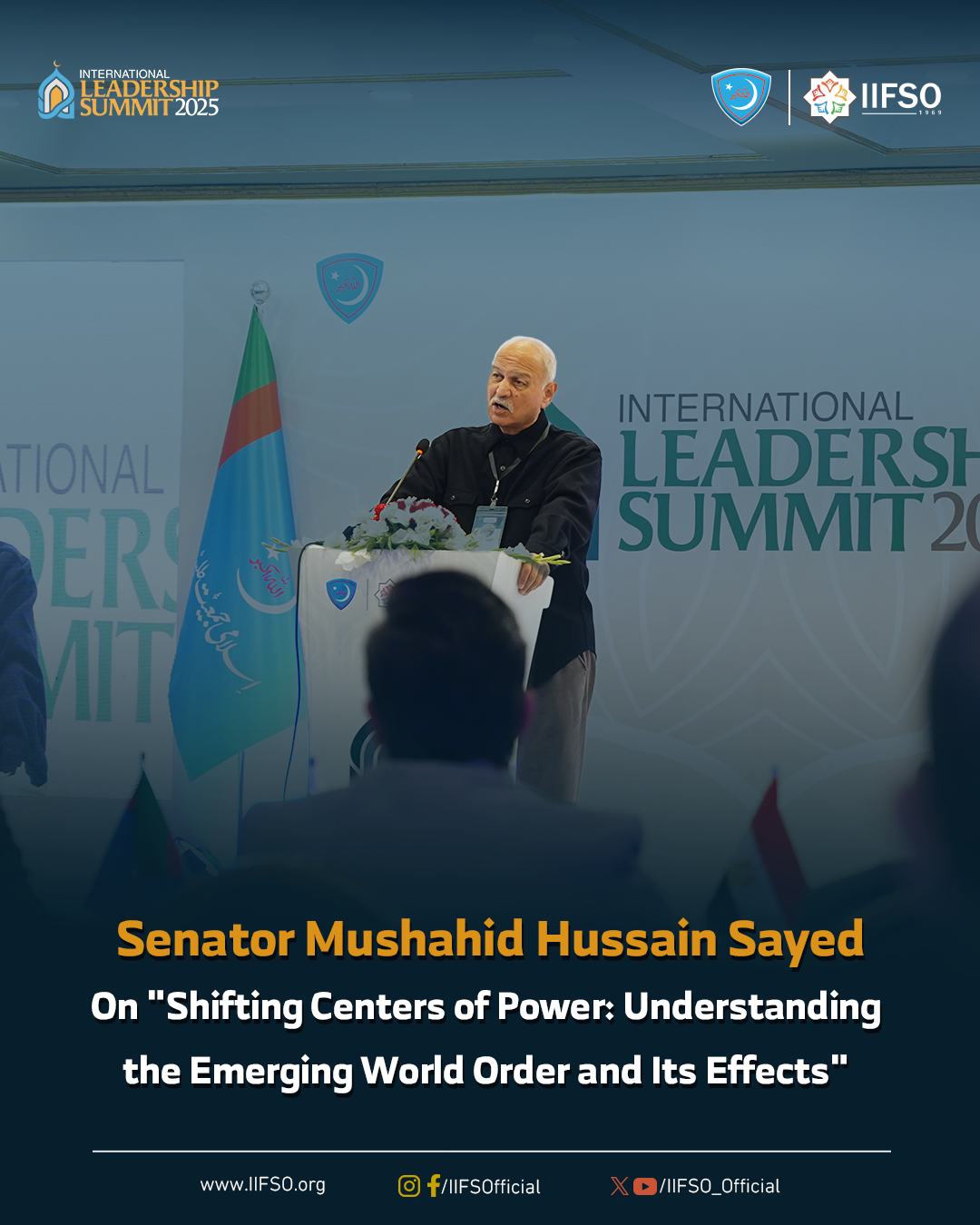
After establishing the groundwork related to leadership building, the summit discussions expanded to place this rising generation before its responsibilities in understanding the complex international reality; Senator Mushahid Hussain Sayed, Information Secretary of the Pakistan Muslim League , reviewed the features of the geopolitical landscape in a lecture titled “Shifting Centers of Power: Understanding the Emerging World Order and Its Effects”, providing a calm reading of the dynamics of the international system and explaining that the world is witnessing a reshaping of power centers and a retreat of unipolarity, which imposes on young leaders the necessity of understanding these shifts accurately to ensure correct positioning and protect the strategic interests of the Muslim world.
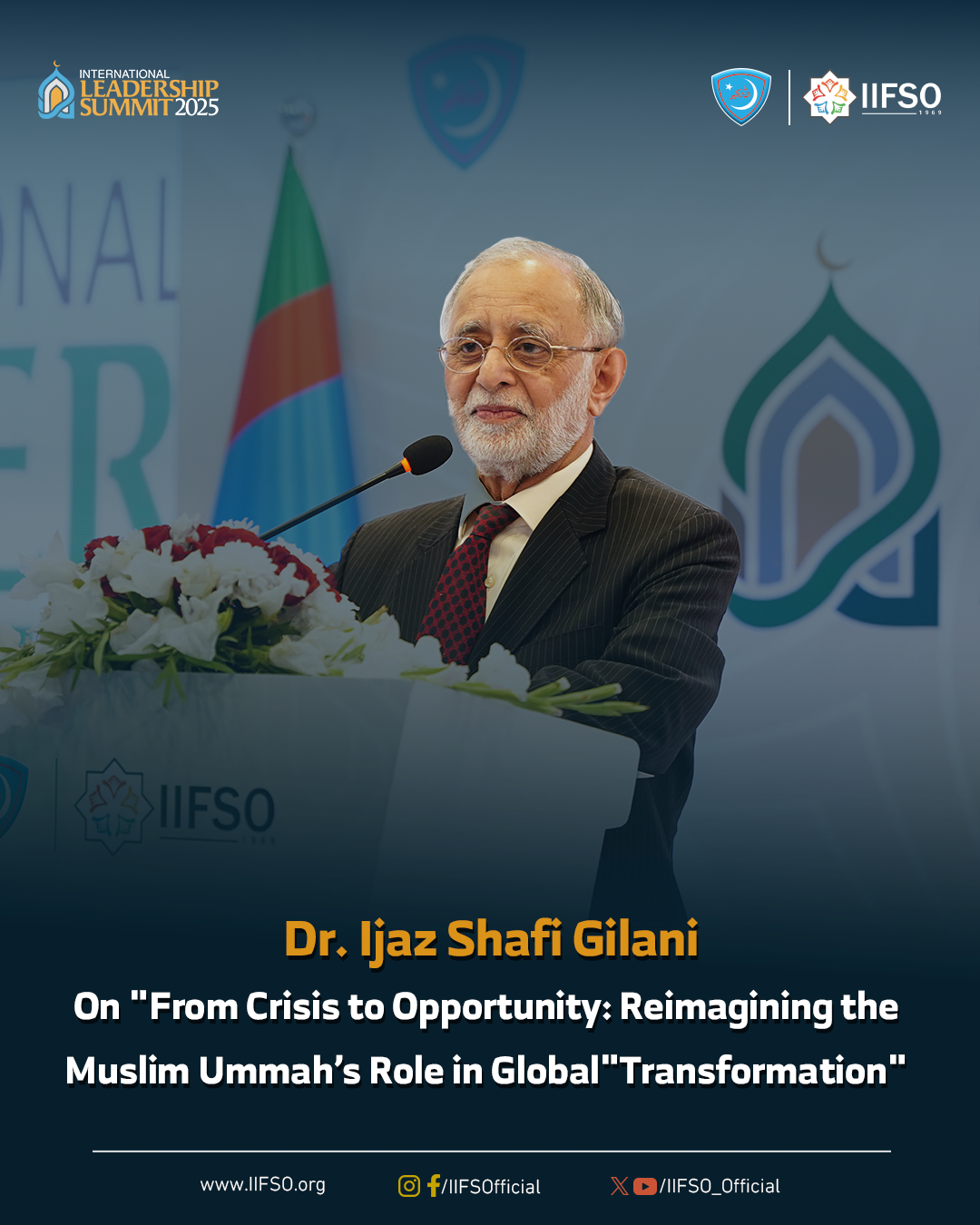
Complementing this forward-looking vision, the social scientist and founder of “Gallup Pakistan”, Dr. Ijaz Shafi Gilani , presented a scientific approach titled “From Crisis to Opportunity: Reimagining the Muslim Ummah’s Role in Global Transformation”, basing his argument on data and observational analysis, and affirming that current global challenges carry within them real opportunities for the Muslim Ummah to offer its civilizational contributions, provided it possesses the necessary awareness to transform crises into pathways for solutions and construction.
Intellectual Capital as the Compass for the Future
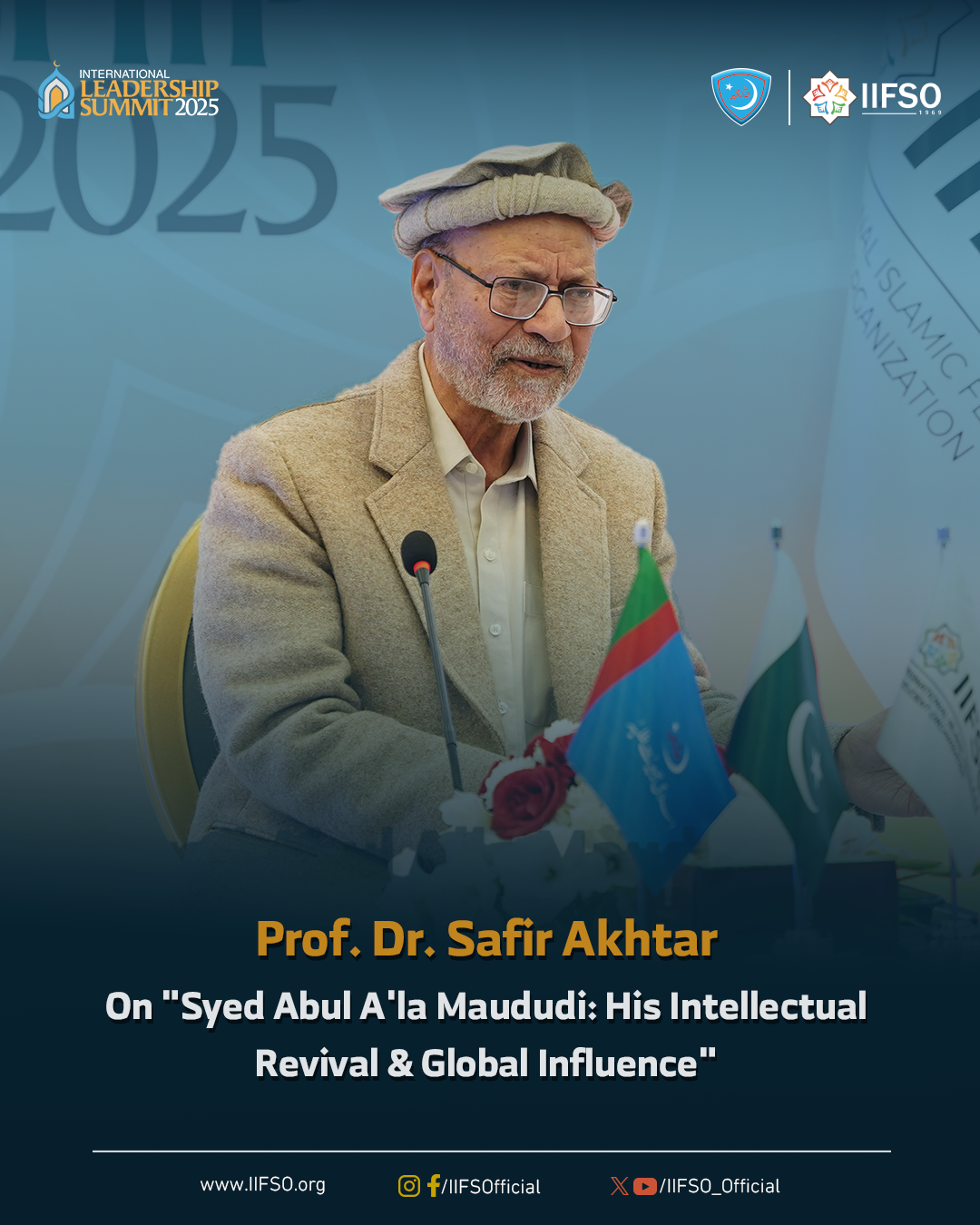
In the context of grounding future aspirations, the summit was keen to evoke intellectual roots as a guarantee for balance and direction; through the session “Syed Abul A’la Maududi: His Intellectual Revival and Global Influence”, delivered by Prof. Dr. Safir Akhtar, Editor of Nuqta-e-Nazar journal, it was emphasized that youth engagement in public work and building international partnerships requires reliance on a solid intellectual reference, as this intellectual heritage represents a starting point that strengthens identity and grants the student movement the ability to interact with new developments without losing its compass, ensuring that authentic thought remains the guide for strategic plans and field practices.
Appreciation for the Founding Partner
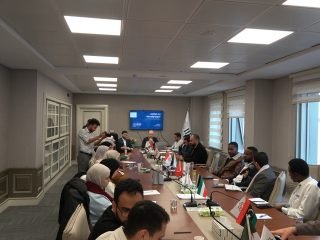
During the events, which witnessed closed consultative sessions and an exchange of experiences, Dr. Abdullah Ahmed, IIFSO Assistant Secretary General, extended a word of thanks and appreciation to “Islami Jamiat-e-Talaba Pakistan” for its excellent hosting of the summit and for providing the opportunity to build sustainable partnerships and relationships among the participating organizations; praising the historic and pivotal role of the association as one of the nine organizations that founded the International Islamic Federation of Student Organizations (IIFSO) in 1969, and valuing its continuous and extended contributions to supporting the journey of Islamic student activism and strengthening the bonds of brotherhood and joint cooperation.