Istanbul – December 2025
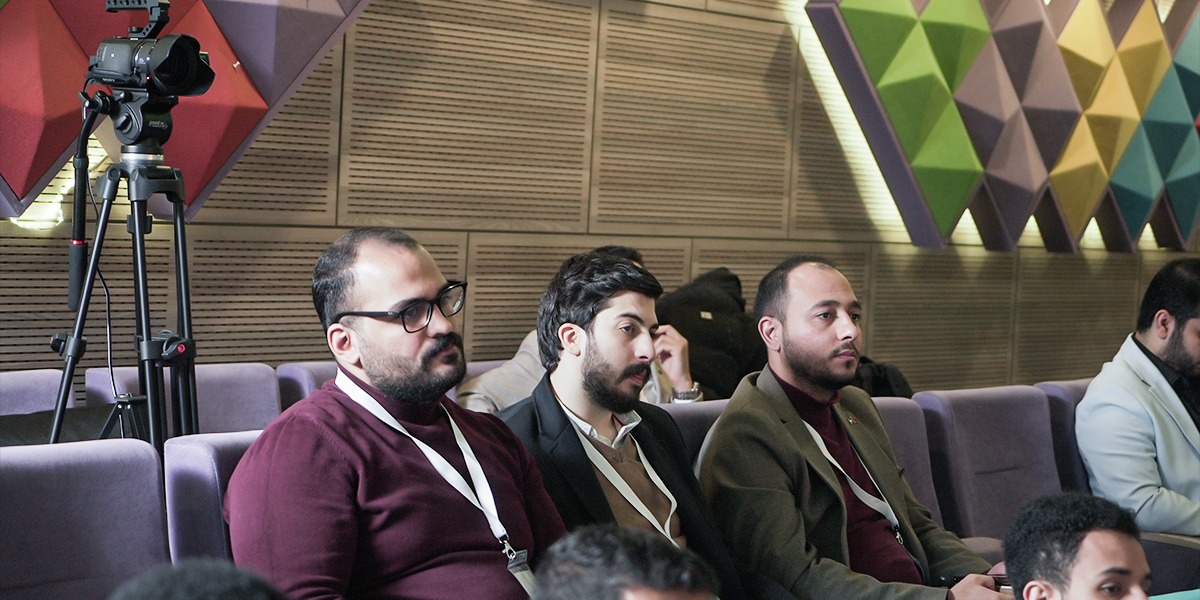
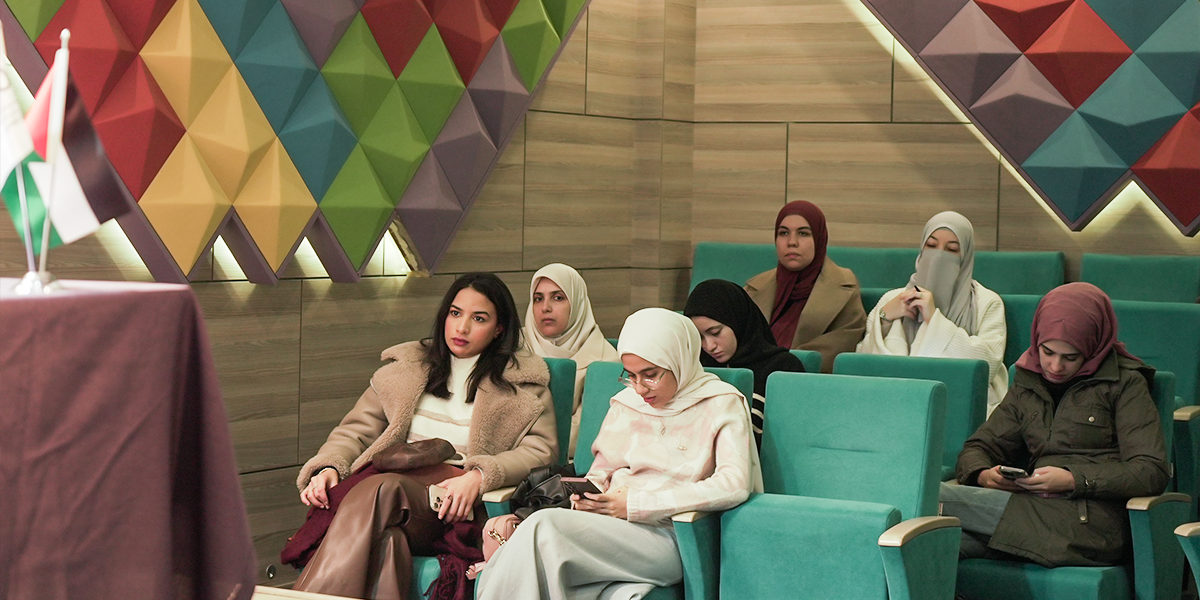
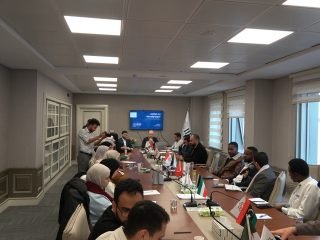
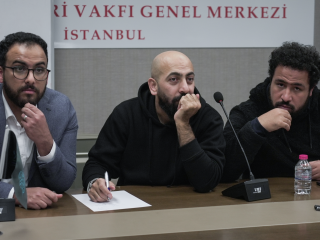
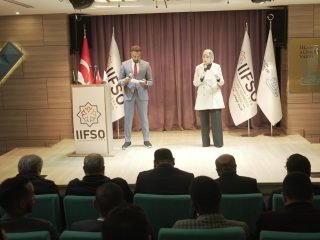
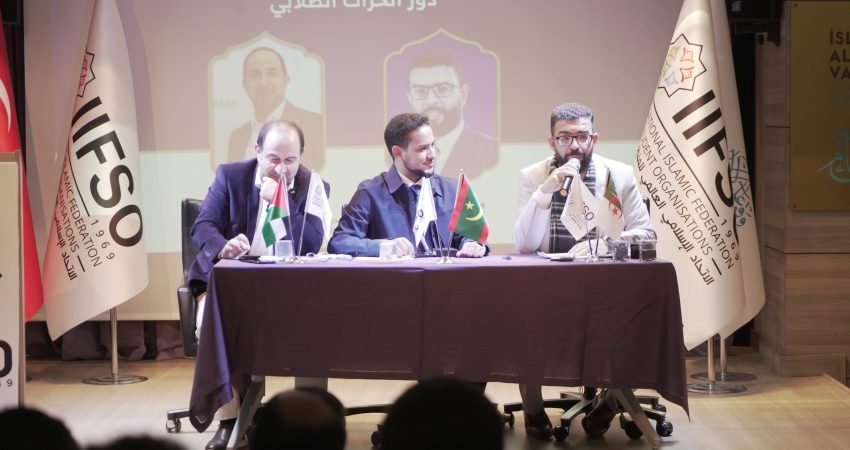
As part of the proceedings of the IIFSO Arab Region Meeting, held in Istanbul from December 15 to 17, 2025, the lectures and interactive sessions served as central intellectual pillars of the gathering. These sessions offered profound intellectual and movement-based readings regarding the role of youth and students, moving beyond a merely descriptive account of events to deconstruct the broader context in which student organizations operate. They sought to redefine the position of these organizations within the dynamics of influence, whether in the realm of public diplomacy, the central causes of the Ummah, or in understanding rapid international transformations.
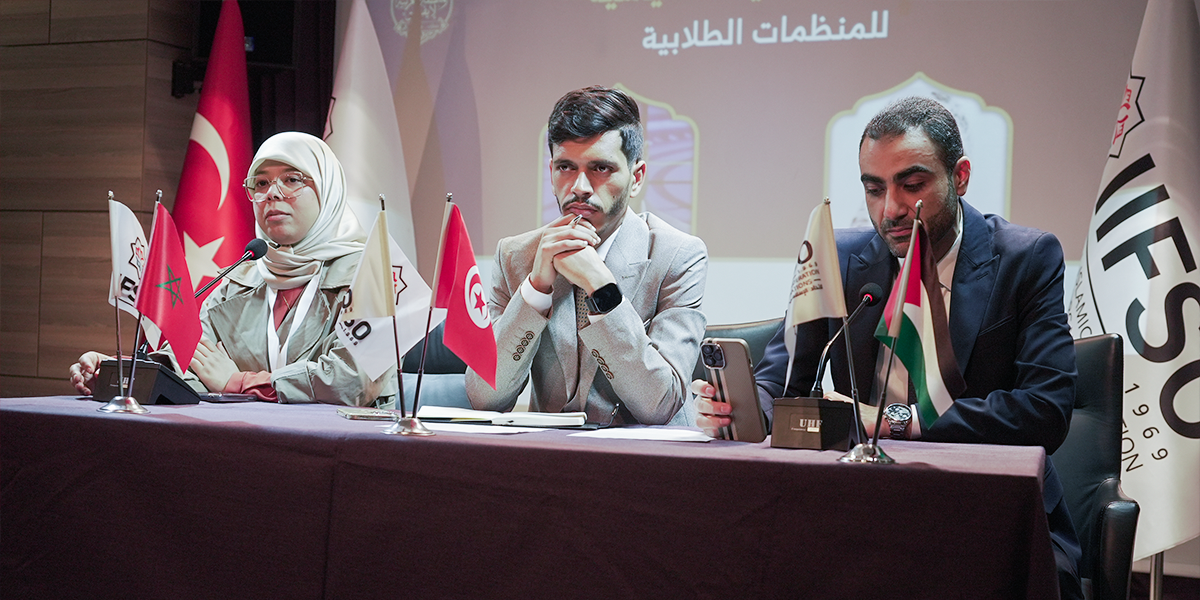
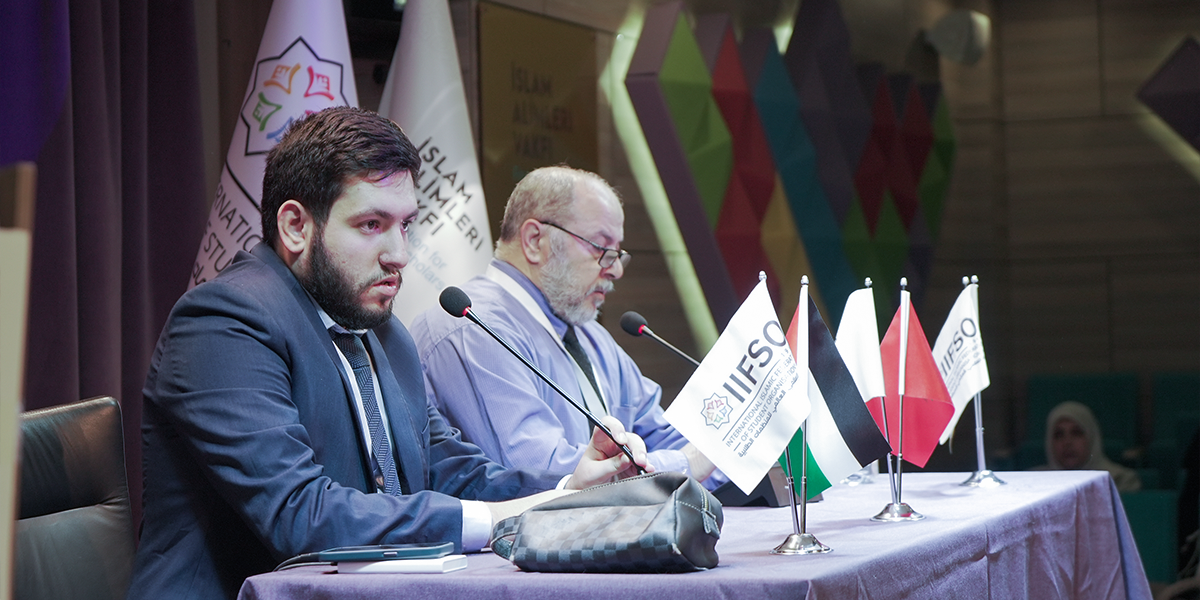
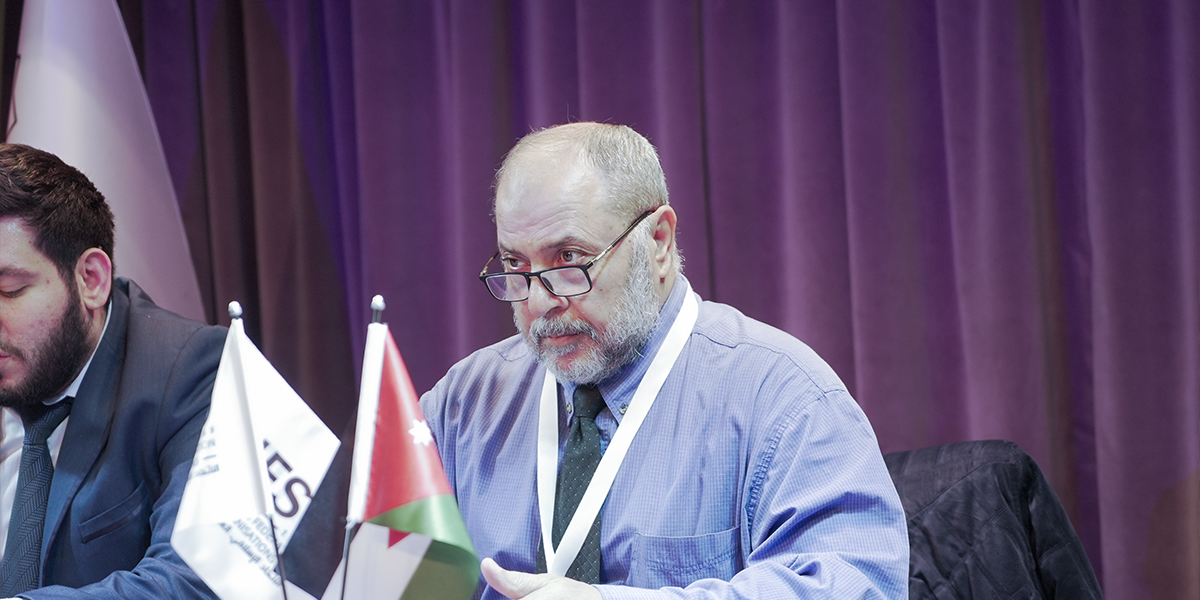
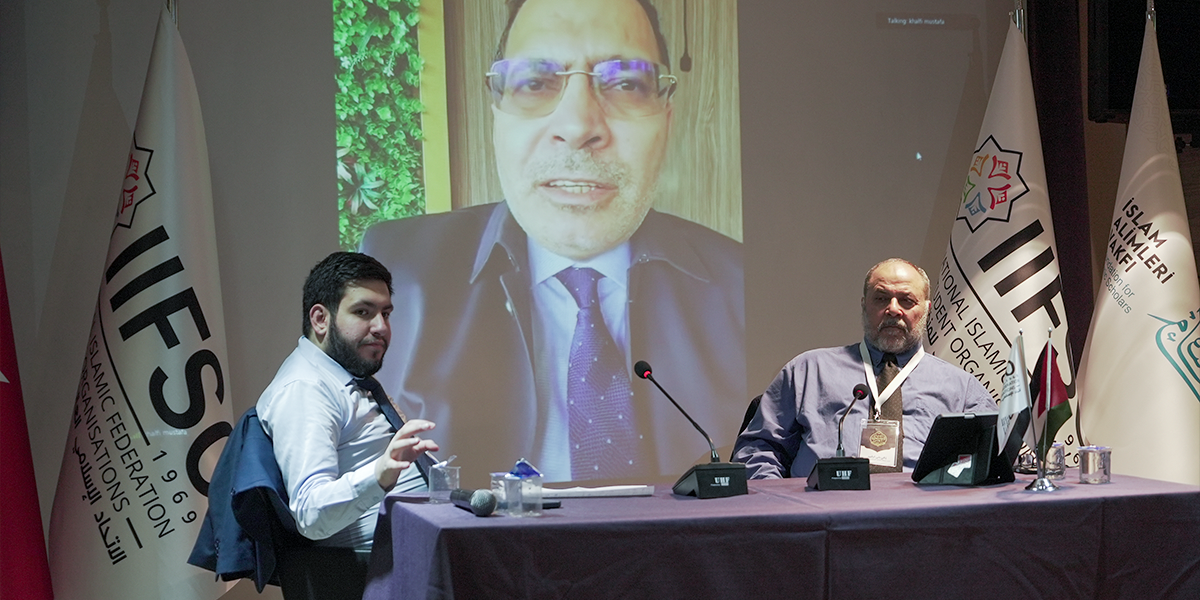
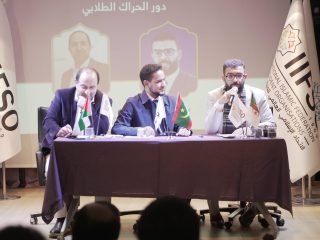
In a rich panel discussion titled “Regional Changes and the Role of Student Organizations,” moderated by the media personality and TV presenter Mr. Mouath Nazzal, Mr. Zaki Bani Ershaid, the former Secretary-General of the Islamic Action Front Party and a prominent Jordanian thinker and politician, participated alongside Prof. Dr. Mustapha El Khalfi, the former Moroccan Minister of Communication. In his thesis, Bani Ershaid focused on the dimension related to the role of youth in this transformative moment, emphasizing that the world—not just the Arab region—is in dire need of youthful energy and its capacity for action. He underscored the necessity of providing full opportunities for youth leadership empowerment, viewing it not as a choice but as a collective duty toward the Ummah to preserve its vitality. For his part, Dr. Mustapha El Khalfi presented a forward-looking approach, affirming that there are elements of hope in the current reality and that new beginnings emerge from the heart of crisis. He considered the study of current changes at the Arab regional level to be a major and necessary task for active social forces, particularly student organizations, calling on IIFSO to launch a research process aimed at studying and understanding global and regional variables to link theoretical reflection with the requirements of organized student action.
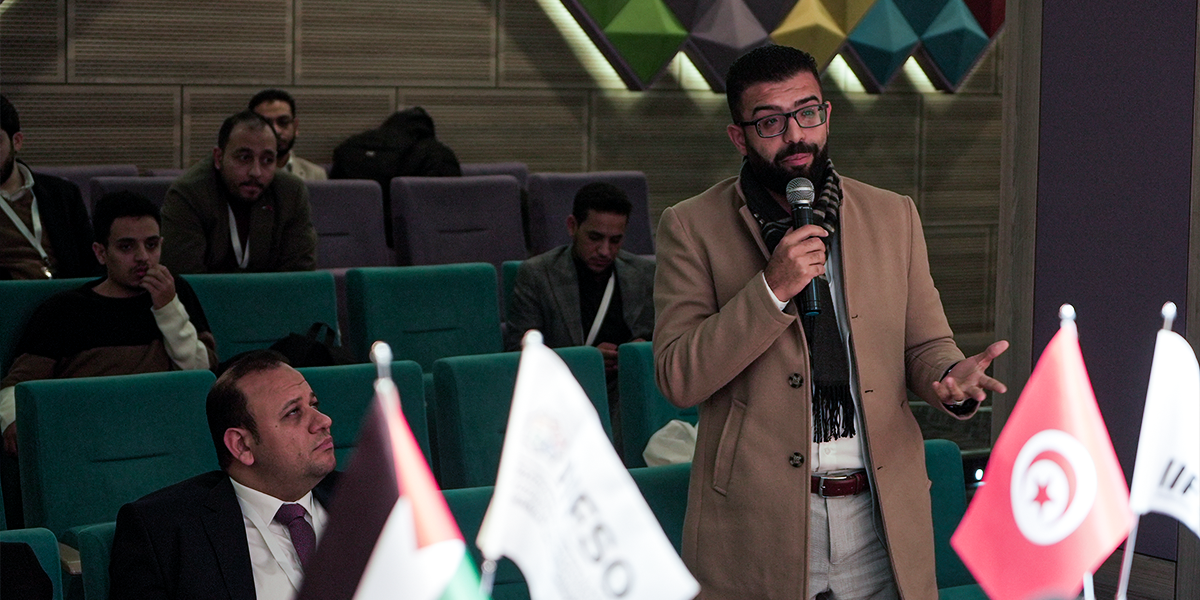
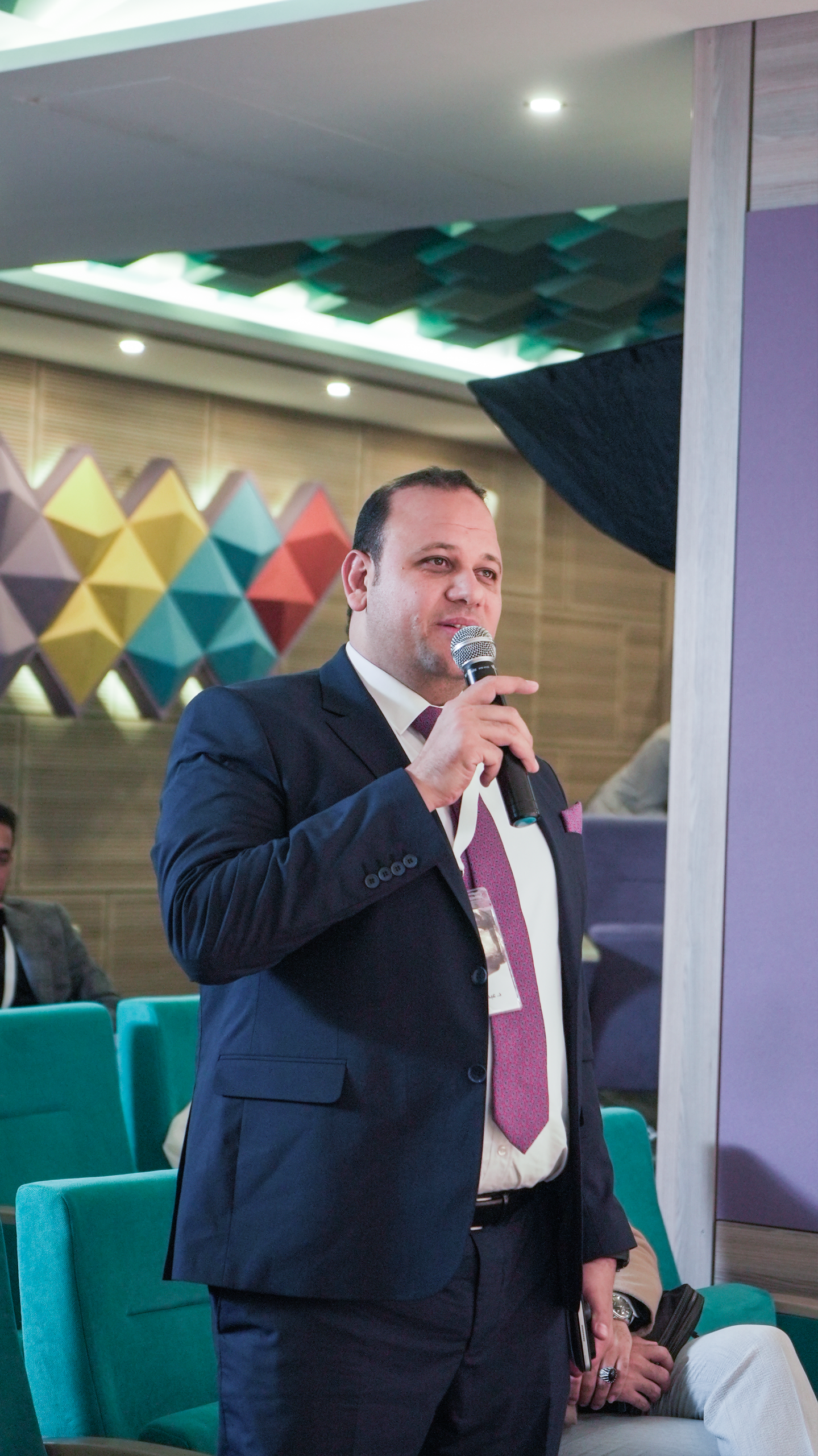
The panel discussion titled “Political Opportunities and Challenges for Student Organizations” was moderated by Mr. Nizar Jerai, the Secretary-General of the General Union of Tunisian Students (UGET). He opened the session by affirming that this Ummah is destined for unity and that it will achieve no standing except through its cohesion, describing student activism as elite work aimed at producing minds and influencers. The session featured Dr. Abdul Rahman Al-Farra, Chairman of the Board of the Palestinian Students Association (FODERN), and Ms. Imane Traifi, a member of the National Bureau of the Youth of the Justice and Development Party in Morocco. Dr. Al-Farra explained that student activism begins with clear tasks and a vision for implementation, asserting that ground-level accomplishments are what truly “turn the tables” in both political and student work. He affirmed that IIFSO possesses a genuine opportunity for a strong comeback by translating abstract theoretical discourse into practical positions. In parallel, Ms. Imane Traifi reviewed the youth experience in Morocco, describing it as inspiring and fueled by sincere energy. She emphasized that the primary objective is to restore ethics to the public sphere through the adoption, application, and practice of the values of honesty, integrity, and excellence, noting that technological development has imposed itself on major nations, making it imperative to modernize work methods to keep pace.
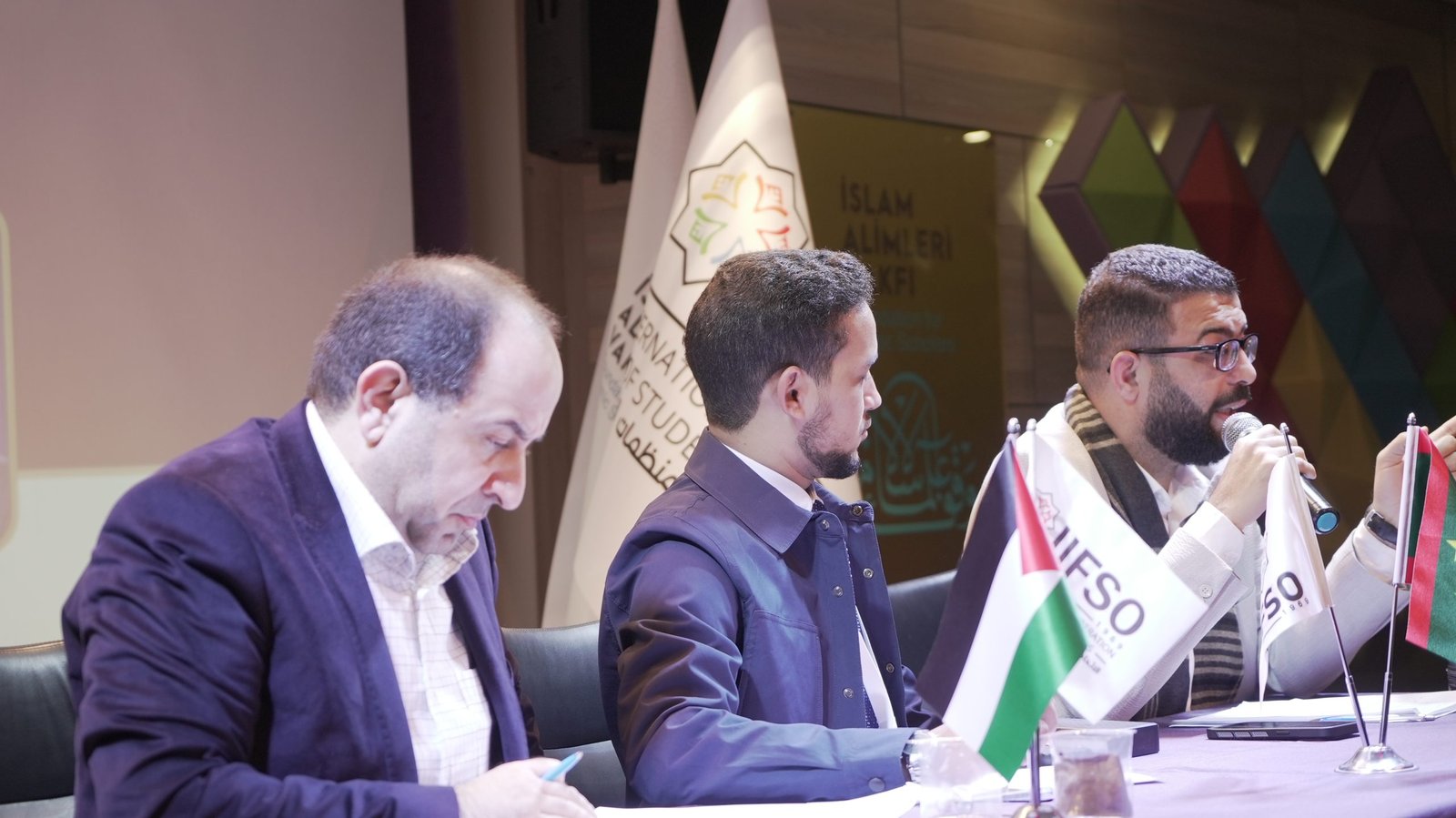
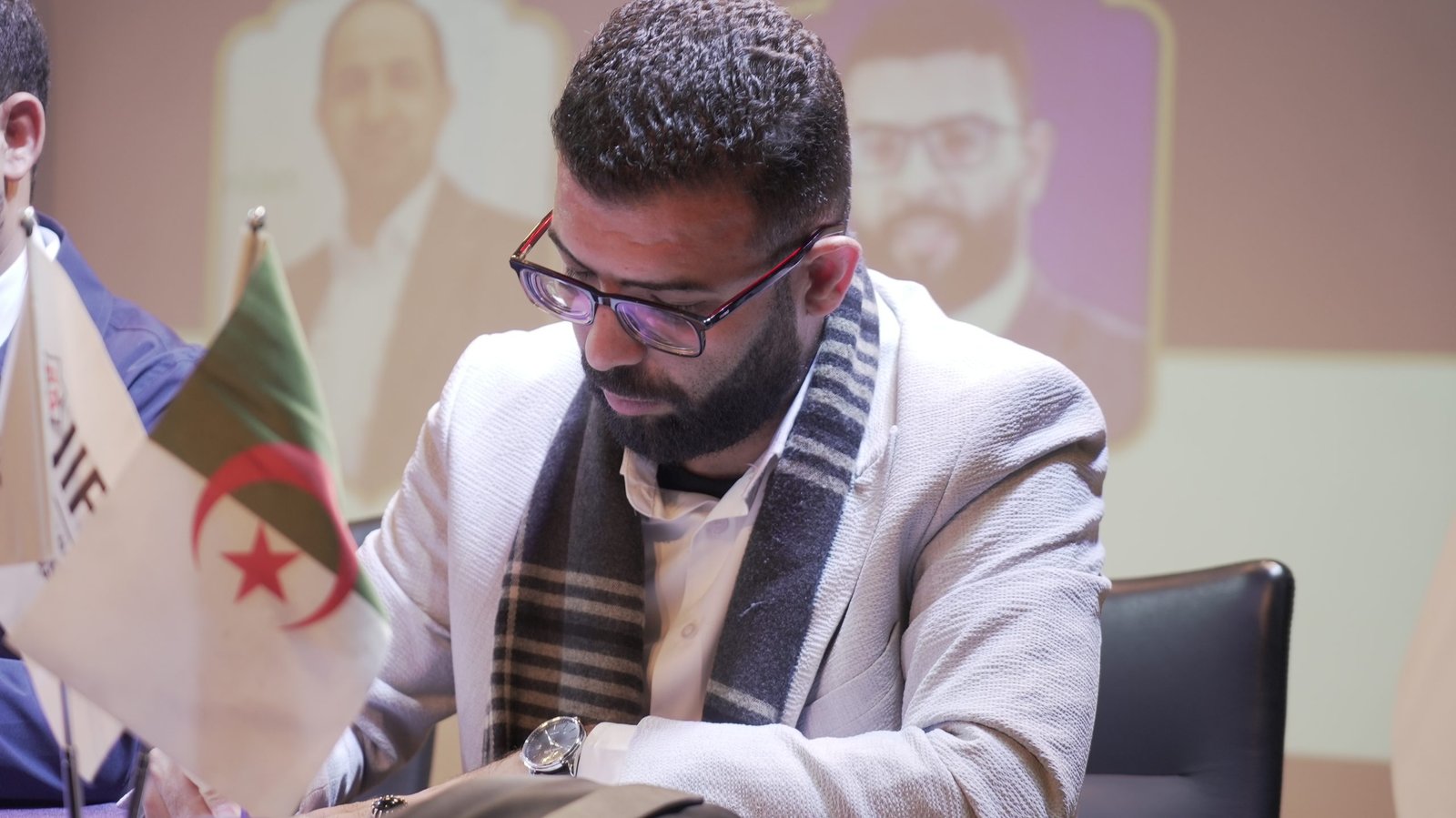
During the panel discussion titled “Al-Aqsa Flood and Preparing a Generation of Liberation: The Role of Student Mobilization,” moderated by Mr. Mohamed Yahya, the Secretary-General of the National Union of Mauritanian Students (UNEM), Mr. Marouan Ben Guettaia, a member of the IIFSO Executive Bureau and President of the Jil Al-Tarjih Organization in Algeria, provided an analytical reading. He noted that the current challenge requires moving beyond the “familiar” and highlighted that the “Sumud Convoy” formed a bloc united by a great cause despite differing intellectual backgrounds. Alongside him, Dr. Nidal Salah, Head of Relations at the World Muslim Youth Forum, stressed that youth and students led global demonstrations because they believed in their cause. He expressed his surprise at the strength of Western youth mobilization and its impact on awakening awareness, emphasizing the need for student activism to strengthen its field tools to match the power of its message and values.
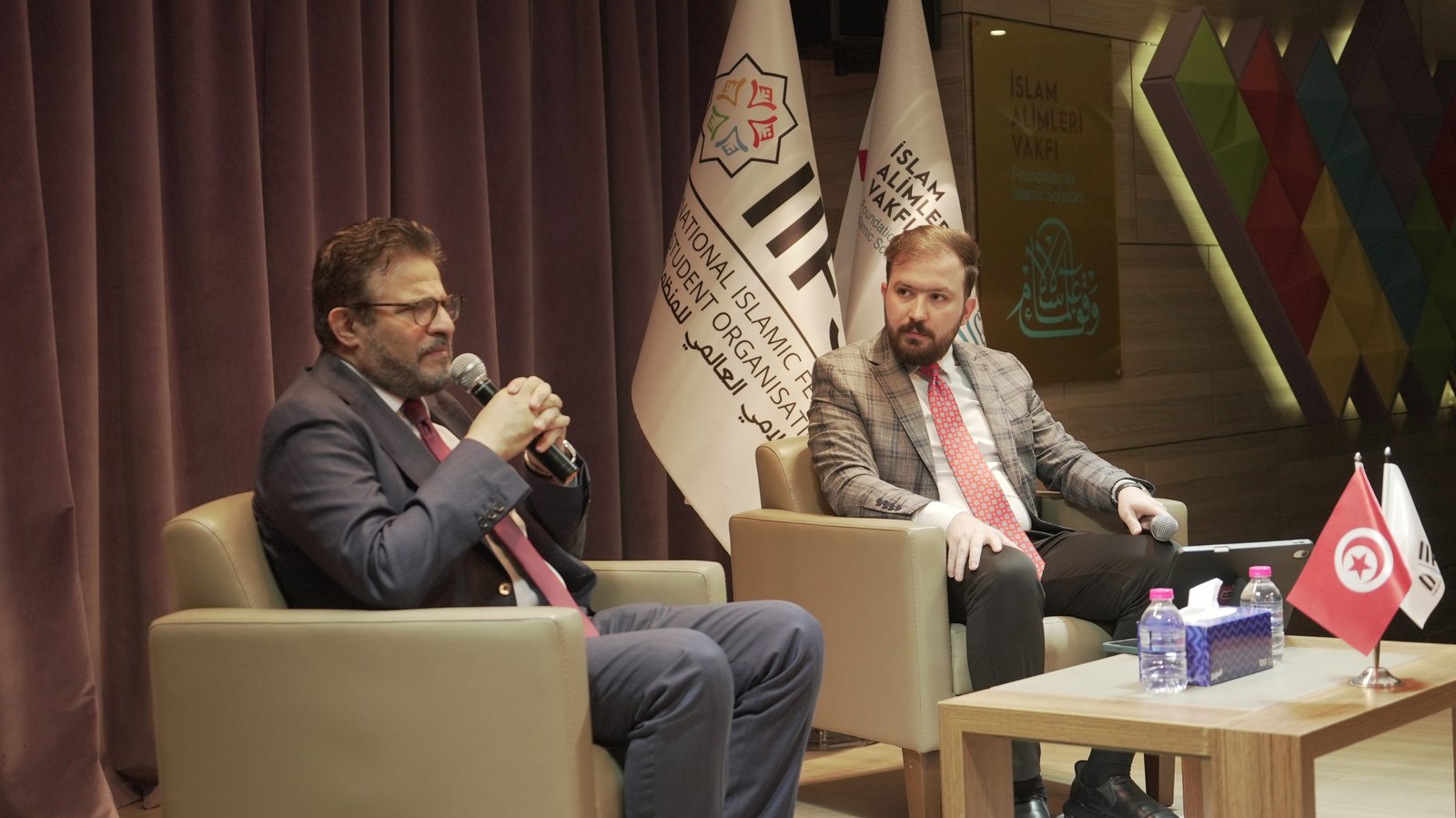
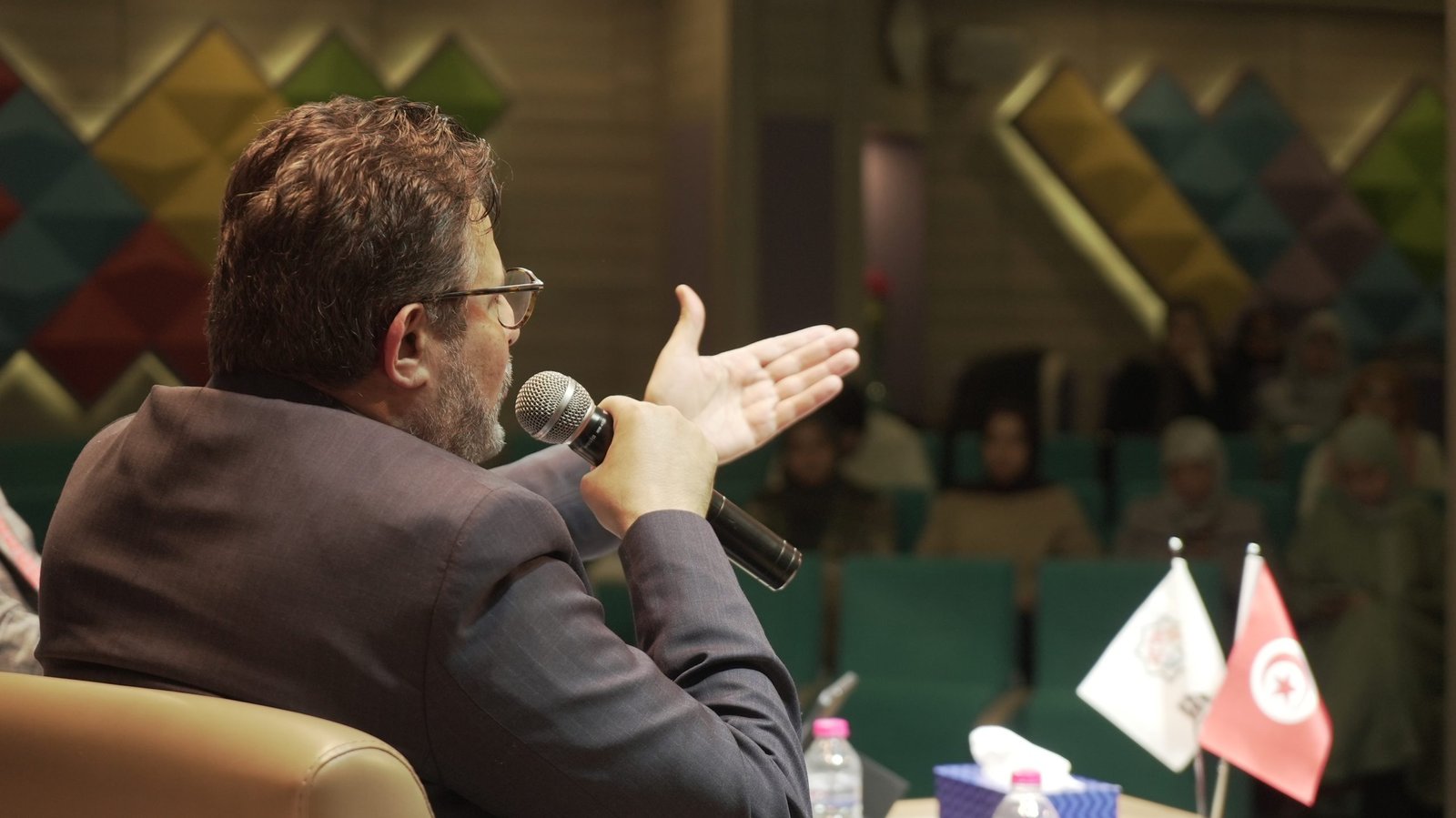
From his part, Dr. Rafik Abdessalem, the former Tunisian Minister of Foreign Affairs and Head of the “Arab Awareness Network,” delivered a specialized lecture titled “Public Diplomacy and the Role of Youth Organizations.” He provided a political analysis focusing on the idea that diplomatic work is no longer exclusive to states but has become an open arena for societal actors, led by student and youth organizations. He pointed out that the lack of an integrated Arab and Islamic vision in a world of major power blocs risks leaving the region outside the international equation. He urged the youth to prepare for coming changes by building awareness and prioritizing the redirection of human and financial resources toward areas of weakness, so that organized student action can serve as a lever of influence in the global public sphere.
Collectively, these theses reflected a clear orientation within the IIFSO Arab Region Meeting 2025 toward restoring the intellectual and political role of student activism as a space for generating awareness and initiating action. They reaffirmed that investing in youth and students remains the most viable choice in an era of transformation, provided they possess the tools of understanding, prioritize effectively, and maintain the ability to translate awareness into a tangible impact on reality.